Category: education

  • Qualitative vs Quantitative Research: How to Choose the Right Approach

    Qualitative vs Quantitative Research: How to Choose the Right Approach

    Written for university students in the UK and internationally. Conventions and terms vary between countries and institutions, so your own course handbook and your tutor’s guidance are always the final authority.

    One of the earliest and most important decisions in any research project is also one of the most commonly rushed: should your study be qualitative, quantitative, or a mix of both? Students often pick the method that feels most familiar and then quietly bend their research question to fit it. The better order is the reverse. Decide what you are really trying to find out first, and the question will usually point you toward the approach that belongs to it. This article explains the difference in plain terms and gives you a way to choose with confidence.

    What each approach is actually for

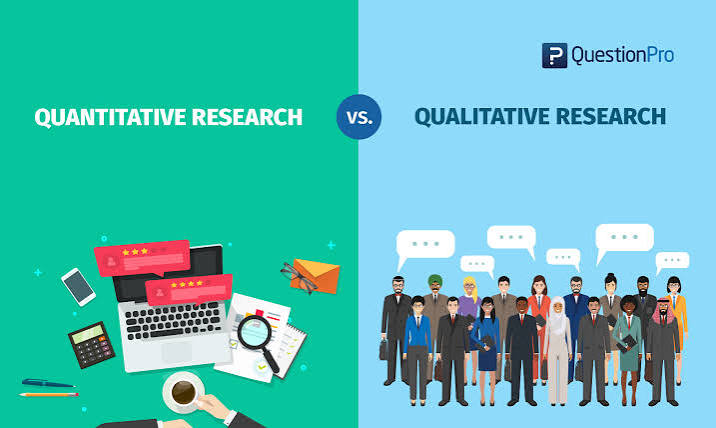
    Quantitative research measures. It is built to answer questions about how many, how much, how often, and whether a relationship exists between things, and it answers them with numbers you can analyse statistically. Surveys with closed questions, experiments, and the analysis of existing datasets are typical quantitative methods. Qualitative research, by contrast, explores. It is built to answer questions about why, how, and what something means to the people involved, and it answers them with words rather than numbers. Interviews, focus groups, open-ended questions and the close analysis of documents are typical qualitative methods. Neither is superior; they answer different kinds of question.

    Let the question guide the method

    The cleanest way to decide is to write your research question down and look at what it is really asking. “Does a training programme increase employee productivity?” leans quantitative, because it asks you to measure productivity and test whether it changes. “Why do employees resist a new training programme?” leans qualitative, because it asks for people’s reasons, experiences and interpretations in their own words. The wording is a useful clue: verbs like measure, compare, test and predict point toward quantitative work, while verbs like explore, understand, describe and interpret point toward qualitative work. Treat these verbs as clues rather than fixed rules, though — quantitative studies can investigate explanations, and qualitative studies can describe patterns. What settles the method is the kind of evidence your question needs, not the verb it happens to use.

    The training example also carries a useful warning about cause. Measuring that productivity rose after a programme does not, by itself, show the programme caused the rise, because many things change at the same time. Establishing cause needs a design built for it — such as a controlled comparison between a group that received the training and a comparable group that did not — rather than a simple before-and-after measurement. Being honest in your write-up about what your design can and cannot show is itself a sign of careful research.

    When mixed methods make sense

    Some questions genuinely contain both elements. You might want to measure whether productivity rose and understand why employees felt the way they did about the change. A mixed-methods design can be powerful here, but its value comes from integrating the two strands, not simply running a survey and some interviews side by side: the interviews should help explain the numbers, and both should be drawn together in your discussion. Without that integration you really have two half-studies. It is also demanding — a mixed-methods project asks you to do two kinds of research well, which takes more time, more skill and more words than many undergraduate projects allow — so choose it because your question truly needs both, not to avoid committing to one.

    Count the practical cost before you commit

    Method choice is not only about the question; it is also about your resources. Quantitative work often calls for a larger sample, but how large depends on the design, the precision you need, the size of the effect you expect and the analysis you plan to run — there is no single number that automatically makes results meaningful. Qualitative work typically needs far fewer participants, but it demands many more hours of careful transcription, coding and interpretation, and those hours are easy to underestimate. Be honest with yourself about your timeline, your access to participants and your own skills before you lock in a design, because the wrong choice here is expensive to reverse later.

    Sampling: who you study and why

    Whichever approach you choose, you will have to justify your sample. Quantitative studies often aim for a sample large and well-drawn enough to generalise from, which is why random or systematic sampling is common. Size alone does not make a sample representative, however — a large but poorly drawn sample can still be badly biased. What matters is how participants were selected and who may have been left out, so describe your sampling method and its limitations rather than leaning on numbers. Qualitative studies usually use purposive sampling, deliberately choosing participants who can speak to the question in depth, and they do not claim to generalise in the same statistical way. Explaining clearly who you studied, how you chose them and why that choice fits your question is one of the simplest ways to make your methodology convincing to an examiner.

    Match your analysis to your design

    Finally, plan the analysis before you collect anything. Quantitative data points you toward descriptive statistics and then the right test for your question, such as a comparison of means or a measure of correlation. Qualitative data points you toward a structured process such as thematic analysis, where you code the material and build themes from it. Knowing which analysis you will use in advance protects you from the most demoralising situation in research: collecting a pile of data you then discover you cannot properly analyse.

    Think about quality: validity and trustworthiness

    Examiners expect you to show that your results can be believed, and the language for this differs between the two traditions. In quantitative work you talk about validity, whether you measured what you intended to measure, and reliability, whether the measurement would give consistent results if it were repeated. In qualitative work you talk about trustworthiness, built from ideas such as credibility, transferability and the careful, transparent handling of your own influence on the data. You do not need to turn your methodology into a textbook, but showing that you have thought about how to make your findings credible, and about what could threaten that credibility, is one of the clearest signs of a mature researcher.

    A quick worked example

    Imagine you are interested in how students use a new library app. “What percentage of students use the app each week, and does usage differ by year of study?” is quantitative: you would run a survey with closed questions and compare the numbers. “How do students experience the app, and why do some abandon it after a week?” is qualitative: you would interview a small, purposively chosen group and build themes from what they say. “How widely is the app used, and why do patterns of use look the way they do?” suits a mixed-methods design, because it needs both the measurement and the explanation. Notice how the same broad topic produces three different designs depending on exactly what you ask.

    Whatever you decide, write your reasoning into the proposal and the methodology chapter rather than leaving it implicit. Choose the approach according to the evidence your question requires, the study design and the practical constraints you face; the wording of the question alone does not decide the method. Examiners are far more convinced by a student who can explain why a design was chosen, and what its limitations are, than by one who presents a method as if it were the only option available.

    Further reading: standard research-methods texts, such as Creswell and Creswell’s Research Design, set out these distinctions in more detail.

    Getting a second opinion on your design

    Choosing and justifying a methodology is one of the stages where early feedback saves the most trouble, because mistakes made here follow you all the way to submission. Students who want a second opinion can consult FIZBS for support in pressure-testing a research design and its analysis plan before any data is collected, with the scope agreed beforehand. Check your university’s rules on external assistance, and keep the research your own. Choose the method that fits the question, not the one that fits your comfort zone, and the rest of the project becomes far more straightforward.

  • How International Students Can Prepare for Their First Semester

    How International Students Can Prepare for Their First Semester

    Starting university in a new country is exciting, but the first semester can also feel overwhelming. International students have to adjust to a new academic system, different teaching styles, unfamiliar surroundings, new classmates, and everyday life away from home.

    Good preparation can make this transition much easier.

    For first semester international students, the goal should not be to understand everything immediately. Instead, focus on learning how your university works, building good academic habits, meeting people, managing your time, and using the support services available to you.

    Whether you are planning to study in Arizona, another U.S. state, or a different country, the preparation principles are similar.

    This guide explains how international students can prepare for their first semester and build a strong foundation for university success.

    Why the First Semester Is Important

    Your first semester is more than just the beginning of your degree.

    It is the period when you learn:

    • How your university’s academic system works
    • How classes are structured
    • How professors communicate with students
    • How assignments are graded
    • How to manage your schedule
    • Where to find academic support
    • How to make friends
    • How to manage your money
    • How to balance study and social life

    The transition can take time. EducationUSA recommends that students prepare for cultural differences, academic expectations, housing, and other practical issues before arriving in the United States. It also recommends attending university orientation after arrival.

    The more you understand before your first class, the more confident you may feel during the semester.

    1. Review Your University Information Before Arrival

    Do not wait until you arrive on campus to learn how your university works.

    Before traveling, review your university’s official website and student portal.

    Look for information about:

    • Orientation
    • Course registration
    • Academic advising
    • Housing
    • Transportation
    • Health insurance
    • International student services
    • Student ID cards
    • Campus maps
    • Libraries
    • Writing centers
    • Tutoring
    • Career services
    • Emergency contacts

    Create a document or note on your phone containing important information.

    For example:

    University: Your university name
    Student ID: Your student number
    International office: Contact information
    Academic advisor: Contact information
    Housing: Address and contact
    Emergency number: Local emergency services
    Orientation date: Date and time
    First class: Building and room

    Having this information available can save you stress during your first few days.

    2. Attend International Student Orientation

    One of the most important things first semester international students should do is attend orientation.

    Do not skip it because you think you already know enough about the university.

    Orientation can introduce you to:

    • University policies
    • Academic expectations
    • International student services
    • Visa-related procedures
    • Campus facilities
    • Student organizations
    • Health services
    • Academic advisors
    • Other new students

    EducationUSA specifically recommends that new international students attend both international student orientation and regular student orientation because they cover different information.

    Some universities also require orientation before students can register for classes.

    For example, Arizona State University requires students to complete its New Student Orientation Experience before enrolling in classes.

    3. Understand Your Course Syllabus

    Once classes begin, one of your first priorities should be reading every course syllabus.

    A syllabus usually provides important information such as:

    • Course objectives
    • Professor contact information
    • Required textbooks
    • Assignment deadlines
    • Exams
    • Grading policies
    • Attendance expectations
    • Class participation requirements
    • Office hours
    • Course schedule

    Arizona State University explains that course syllabi generally include professor contact information, expectations, rules, assignment information, course calendars, and instructions.

    Do not simply save the syllabus and forget about it.

    Read it carefully and transfer important deadlines into your calendar.

    4. Create a Semester Calendar

    International students may be managing several classes at the same time.

    Without a schedule, it can be easy to forget assignments or underestimate how much time a project requires.

    Create one central calendar containing:

    • Assignment deadlines
    • Exams
    • Quizzes
    • Presentations
    • Projects
    • Class times
    • Office appointments
    • University events

    You can use a digital calendar, planner, spreadsheet, or university scheduling system.

    At the beginning of every week, review what is coming next.

    A simple weekly plan might look like:

    Monday: Read Chapter 3
    Tuesday: Complete math assignment
    Wednesday: Study for biology quiz
    Thursday: Attend study group
    Friday: Submit research assignment
    Weekend: Review next week’s readings

    This small habit can significantly improve organization.

    5. Learn How the U.S. Academic System Works

    If you are studying in the USA for the first time, the academic system may be different from what you experienced at home.

    For example, grades may come from a combination of:

    • Quizzes
    • Exams
    • Papers
    • Projects
    • Class participation
    • Attendance
    • Presentations

    EducationUSA explains that U.S. university grades can be based on several forms of assessment rather than one final examination.

    This means you should not wait until the final exam to start studying.

    Your performance throughout the semester can matter.

    6. Improve Your Academic English

    For many international students, academic English is one of the biggest challenges during the first semester.

    Even if you achieved the required English score for admission, university-level communication can still be demanding.

    You may need to:

    • Read academic articles
    • Write essays
    • Understand lectures
    • Take notes quickly
    • Give presentations
    • Participate in discussions
    • Ask professors questions
    • Work on group projects

    Before your semester begins, practice academic reading, writing, listening, and speaking.

    Read our complete guide on  for practical preparation strategies.

    You do not need perfect English.

    Your goal should be to communicate clearly and become more comfortable using English in academic situations.

    7. Learn How to Take Effective Notes

    University lectures can move quickly.

    Trying to write every word the professor says is usually not an effective strategy.

    Instead, focus on:

    • Main concepts
    • Important definitions
    • Examples
    • Key arguments
    • Formulas
    • Important dates
    • Questions you do not understand

    You can create headings and bullet points to organize your notes.

    After class, spend a few minutes reviewing them.

    This helps reinforce what you learned and makes exam preparation easier later.

    8. Ask Questions When You Do Not Understand

    One mistake new international students sometimes make is avoiding questions because they are worried about their English or afraid of appearing unprepared.

    Do not let this stop you.

    If you do not understand something, ask.

    You can say:

    • “Could you explain that again?”
    • “Could you give us an example?”
    • “Could you clarify this part of the assignment?”
    • “I want to make sure I understand the requirements.”

    Professors generally expect students to ask questions.

    You can also attend office hours if you need additional help.

    9. Introduce Yourself to Your Professors

    You do not need to become close friends with every professor.

    However, introducing yourself can help you become more comfortable communicating with instructors.

    You can briefly introduce yourself after class or during office hours.

    Tell them:

    • Your name
    • Your major
    • Where you are from
    • Why you are interested in the course

    At ASU, guidance for international students recommends introducing yourself to instructors early in the semester so that communication becomes easier, particularly if you need clarification about the U.S. academic environment.

    10. Meet Your Academic Advisor

    Your academic advisor can help you understand your degree requirements and course planning.

    During your first semester, ask about:

    • Required courses
    • Major requirements
    • General education requirements
    • Future course planning
    • Graduation requirements
    • Changing majors
    • Internships
    • Study abroad opportunities
    • Academic difficulties

    Do not wait until you have a serious academic problem before contacting your advisor.

    Building this relationship early can help you make better decisions throughout your degree.

    11. Learn Where to Get Academic Help

    Successful students do not necessarily work alone.

    Universities often provide academic resources such as:

    • Writing centers
    • Math tutoring
    • Subject tutoring
    • Libraries
    • Academic advisors
    • Study groups
    • Peer mentoring
    • Language support
    • Research assistance

    Find these services during your first few weeks.

    Save their websites and locations.

    If you struggle with an assignment later, you will already know where to go.

    Some universities also provide peer programs specifically for new international students. For example, ASU’s Explorer Buddy Program connects new international students with experienced students for academic, social, and cultural support during the first semester.

    12. Build a Daily Study Routine

    University gives students more independence than many school systems.

    You may not have someone reminding you every day to complete your homework.

    Create your own routine.

    For example:

    Morning: Classes
    Afternoon: Library and assignments
    Evening: Exercise, social activities, or review
    Weekend: Major assignments and weekly preparation

    Try to study regularly instead of waiting until the night before an exam.

    A consistent routine is particularly useful when you have several difficult courses at the same time.

    For additional guidance, read our article on 

    13. Make Friends and Join Student Organizations

    Academic success is important, but your social experience matters too.

    Moving to another country can sometimes feel lonely during the first few weeks.

    Make an effort to meet people.

    You can:

    • Join student clubs
    • Attend orientation events
    • Participate in sports
    • Join cultural organizations
    • Attend international student events
    • Participate in study groups
    • Talk to classmates before or after class

    Do not only socialize with students from your own country.

    Connecting with students from different backgrounds can help you understand American culture and become more confident communicating in English.

    ASU, for example, highlights clubs, organizations, peer mentoring, and cultural events as ways for new international students to become involved in campus life.

    14. Learn How to Manage Your Money

    Budgeting is another important part of your first semester.

    Create a realistic monthly budget that includes:

    • Rent or housing
    • Food
    • Transportation
    • Phone service
    • Health-related expenses
    • Study materials
    • Entertainment
    • Personal expenses

    Do not spend your entire monthly budget during the first few weeks.

    The first semester often comes with unexpected expenses, such as:

    • Textbooks
    • Supplies
    • Winter clothing
    • Transportation
    • Deposits
    • Household items
    • University fees

    Keep an emergency fund if possible.

    You can also review our guide on theif Arizona is one of your study destinations.

    15. Learn How to Navigate Your Campus

    A large university campus can be confusing during the first week.

    Before classes begin, find:

    • Your classrooms
    • Library
    • Student center
    • Dining facilities
    • International student office
    • Academic advising office
    • Health center
    • Gym
    • Transportation stops
    • Emergency services

    If possible, walk your class routes before the first day.

    This simple preparation can prevent unnecessary stress.

    You do not want to spend the first 10 minutes of every class searching for the building.

    16. Prepare for Cultural Differences

    Culture shock is normal.

    You may notice differences in:

    • Classroom participation
    • Communication style
    • Food
    • Social behavior
    • Personal space
    • Time management
    • Transportation
    • Holidays
    • Relationships with professors

    EducationUSA specifically includes cultural differences, academic systems, motivation, housing, and adjustment to a new community in its pre-departure orientation guidance.

    Do not assume that unfamiliar behavior is wrong.

    Try to observe, ask questions, and remain open-minded.

    At the same time, you do not need to abandon your own culture.

    Your cultural background is an important part of your identity and can become something you share with others.

    17. Take Care of Your Physical and Mental Health

    Your first semester can be stressful.

    Make time for:

    • Sleep
    • Exercise
    • Healthy meals
    • Social activities
    • Relaxation
    • Hobbies

    If you feel overwhelmed, contact your university’s student support or counseling services.

    Do not ignore serious academic or personal problems.

    Asking for help early is usually easier than waiting until the problem becomes severe.

    18. Understand Your Student Responsibilities

    International students may have additional responsibilities related to their immigration status and university policies.

    Make sure you understand the instructions provided by your university’s international student office.

    Keep important documents organized, including:

    • Passport
    • Visa documents
    • Form I-20 or relevant immigration document
    • University admission information
    • Insurance information
    • Student ID
    • Important contact information

    EducationUSA advises international students to report to their school after arrival, complete required visa-related check-in or information sessions, and learn about institutional international-student policies and procedures.

    For immigration questions, always rely on your university’s international student office and official U.S. government information rather than social media advice.

    19. Do Not Overload Yourself in the First Weeks

    When you arrive at university, you may want to experience everything.

    You may want to join five clubs, attend every event, explore the city, make dozens of friends, and maintain perfect grades.

    That can quickly become exhausting.

    Start slowly.

    Choose a few important activities and give yourself time to adjust.

    Your first semester is about building a sustainable routine.

    You can always become more involved later.

    20. Review Your Progress Every Week

    At the end of each week, spend 15–20 minutes reviewing your semester.

    Ask yourself:

    • Did I attend all classes?
    • Did I complete my assignments?
    • What did I learn?
    • Which course is difficult?
    • Do I need academic help?
    • Did I manage my time properly?
    • Did I spend too much money?
    • Did I get enough sleep?
    • Did I meet new people?
    • What should I improve next week?

    This simple weekly review can prevent small problems from becoming major problems.

    A First-Semester Checklist for International Students

    Use this checklist before and during your first semester.

    Before Arrival

    • Confirm your university enrollment
    • Review orientation information
    • Organize important documents
    • Confirm housing
    • Review health insurance information
    • Check transportation options
    • Learn about your campus
    • Review your academic program
    • Prepare financially
    • Improve your academic English

    First Week

    • Attend international orientation
    • Attend regular student orientation
    • Complete required university check-in
    • Meet your academic advisor
    • Find your classrooms
    • Read every course syllabus
    • Save important deadlines
    • Introduce yourself to professors
    • Explore academic support services
    • Get your student ID
    • Meet classmates

    First Month

    • Establish a study routine
    • Join at least one student organization
    • Attend office hours when necessary
    • Review your grades and feedback
    • Track your spending
    • Build relationships with classmates
    • Ask for help early
    • Evaluate your academic progress

    Common First-Semester Mistakes to Avoid

    Ignoring the Syllabus

    Missing a deadline because you never checked the course calendar is avoidable.

    Waiting Too Long to Ask for Help

    If you are struggling, contact your professor, advisor, tutor, or relevant support office early.

    Only Studying Before Exams

    University courses often include assignments, quizzes, projects, and participation throughout the semester.

    Spending Too Much Money

    Your first weeks may include many social events and unexpected purchases. Keep your budget under control.

    Staying Isolated

    Making friends takes effort. Attend events and talk to classmates.

    Ignoring Your Health

    Poor sleep and constant stress can affect academic performance.

    Believing Everything Online

    University policies and immigration requirements can change. Always verify important information with official university or government sources.

    How to Make Your First Semester Successful

    A successful first semester does not mean getting perfect grades in every course.

    Success means learning how to become an independent university student.

    Focus on five priorities:

    1. Attend your classes.

    Regular attendance helps you understand course expectations.

    2. Stay organized.

    Use your calendar and track deadlines.

    3. Ask for help.

    Use professors, advisors, tutors, writing centers, and international student services.

    4. Build relationships.

    Make friends and develop connections with classmates, professors, and mentors.

    5. Take care of yourself.

    Sleep, eat properly, manage stress, and give yourself time to adjust.

    Final Thoughts

    The first semester can be one of the most memorable periods of your university journey.

    For first semester international students, moving to a new country requires academic preparation, financial planning, cultural adjustment, and personal confidence.

    You do not need to know everything on your first day.

    Start by attending orientation, understanding your syllabus, meeting your academic advisor, creating a study routine, learning where to get help, and building a social network.

    Most importantly, give yourself time.

    The first few weeks may feel unfamiliar, but your confidence will usually grow as you learn how your university works.

    If you are preparing to study in the USA, start your preparation before leaving home. EducationUSA recommends pre-departure preparation and orientation, followed by participation in your institution’s orientation after arrival.

    With good preparation and a willingness to ask for help, your first semester can become the foundation for a successful university experience.

    Frequently Asked Questions

    What should international students do before their first semester?

    International students should review university requirements, attend pre-departure and campus orientation, organize important documents, confirm housing, understand their academic program, prepare financially, and learn about university support services.

    How can international students prepare for their first semester in the USA?

    Start by understanding your university’s academic system, reviewing course information, improving academic English, preparing a budget, attending orientation, learning campus resources, and planning your daily study routine.

    Should international students attend orientation?

    Yes. Orientation is one of the most useful opportunities for new students to learn about academic expectations, university resources, policies, and campus life. EducationUSA strongly recommends that new international students attend orientation.

    How can I make friends during my first semester?

    Join student clubs, attend orientation activities, participate in study groups, talk to classmates, and attend international or cultural events. Do not be afraid to introduce yourself.

    How can international students improve their academic English?

    Read academic material, practice writing, listen to university lectures, build academic vocabulary, and practice speaking. Many U.S. institutions also offer academic English or language-support programs.

    What should I do if I am struggling academically?

    Contact your professor, academic advisor, tutoring center, writing center, or other university support service as soon as possible. Waiting until the end of the semester can make recovery more difficult.

    How much money should international students budget?

    There is no universal amount because expenses depend on the university, city, housing, lifestyle, transportation, and other factors. Build a budget based on your institution’s official estimated cost of attendance and keep some money available for unexpected expenses.

    Is it normal to feel homesick during the first semester?

    Yes. Moving to another country is a major adjustment. Staying connected with family while also building friendships and routines in your new environment can help.

    Should international students work during their first semester?

    Students should understand their visa and university rules before accepting employment. Do not assume that international students have the same employment options as domestic students. For immigration-related questions, consult your university’s international student office.

    What is the most important advice for first semester international students?

    Stay organized, attend orientation, communicate with your professors and advisors, ask for help early, manage your money carefully, and give yourself time to adjust to your new academic and cultural environment.

  • Community College vs University in the USA: Which Is Better?

    Community College vs University in the USA: Which Is Better?

    Choosing where to study in the United States is one of the most important decisions an international student can make. While many students immediately look at four-year universities, community colleges can also provide an affordable and flexible pathway to a bachelor’s degree.

    So, when comparing community college vs university, which option is better?

    The answer depends on your academic goals, budget, admission profile, preferred learning environment, career plans, and whether you want to transfer to a four-year institution.

    Community colleges typically offer two-year associate degrees and can provide a pathway toward a bachelor’s degree. Four-year colleges and universities generally offer bachelor’s degrees, while universities may also offer graduate programs. EducationUSA explains that community colleges can be part of a “2+2” pathway, where students complete approximately two years at a community college and then transfer to a four-year institution.

    This guide explains the major differences between community colleges and universities in the USA and helps international students decide which option may be the right fit.

    Community College vs University: Quick Comparison

    Before looking at the details, here is a simple comparison:

    FactorCommunity CollegeFour-Year University
    Typical initial study length2 years4 years
    Common degreeAssociate degreeBachelor’s degree
    Transfer optionYes, often availableUsually not needed
    CostOften lowerOften higher
    AdmissionOften more flexibleCan be more competitive
    Class environmentOften smallerCan range from small to very large
    Campus resourcesVaries by collegeUsually extensive
    Graduate programsGenerally limitedMany universities offer them
    Best forFlexible and affordable pathwayDirect bachelor’s experience
    International studentsMany support services availableExtensive international services at many institutions

    These are general differences. Every institution has its own admission policies, tuition, programs, transfer agreements, and student services.

    What Is a Community College in the USA?

    A community college is a higher-education institution that commonly provides two-year associate degree programs, along with technical and career-focused programs.

    Students may earn an Associate of Arts (AA) or Associate of Science (AS) degree before entering a bachelor’s degree program.

    Community colleges can also offer certificates and career-oriented education.

    One major advantage is that students can potentially use community college credits toward a bachelor’s degree after transferring to a four-year college or university. EducationUSA describes this as the “2+2” model: approximately two years at community college followed by two years at a four-year institution.

    However, students should not assume that every course automatically transfers to every university. Transfer policies, course equivalencies, GPA requirements, and agreements can vary.

    What Is a University in the USA?

    A four-year college or university generally provides undergraduate bachelor’s degree programs.

    A bachelor’s degree usually takes about four years of full-time study, although the actual time can vary depending on the program, course load, transfer credits, and individual circumstances. EducationUSA notes that U.S. undergraduate education is based on earning credits toward a bachelor’s degree and that students generally complete the degree in four years of full-time study.

    Universities may also offer:

    • Master’s degrees
    • Doctoral degrees
    • Professional programs
    • Research opportunities
    • Internships
    • Student organizations
    • Campus housing
    • Sports programs
    • Career services

    For students who already know which bachelor’s degree they want and can meet the admission and financial requirements, starting directly at a four-year university can be a straightforward option.

    Community College vs University: Cost

    Cost is one of the biggest reasons international students consider community colleges.

    Community colleges generally have lower tuition and fees than many four-year institutions, although actual costs vary considerably by institution and location.

    EducationUSA notes that lower community-college tuition can help reduce the overall cost of earning a bachelor’s degree when credits successfully transfer to a four-year institution.

    For example, a student might follow this general pathway:

    2 years at community college → transfer → 2 years at university → bachelor’s degree

    This can potentially reduce the amount spent on the first two years of undergraduate education.

    However, international students should calculate the complete cost, including:

    • Tuition
    • Housing
    • Food
    • Health insurance
    • Transportation
    • Books
    • Student fees
    • Personal expenses
    • Visa-related costs

    A lower tuition price does not automatically mean the total cost will be lower.

    Always compare the estimated annual cost of attendance for each institution.

    For more information about studying expenses, you can also read our guide to the 

    Community College vs University: Admission Requirements

    Another major difference can be the admission process.

    Community colleges often have more flexible admission policies than four-year institutions. EducationUSA states that community colleges generally have more flexible admissions requirements and that many do not require standardized admission tests, although individual institutions set their own requirements.

    Four-year universities can have more competitive admission processes.

    Depending on the institution, students may need:

    • High school transcripts
    • Academic records
    • English proficiency results
    • Personal statements or essays
    • Letters of recommendation
    • Standardized test scores where required or considered
    • Financial documentation
    • Passport information
    • Other university-specific documents

    Requirements vary, so international students should always check the official admissions page of the institution they are considering.

    If you are preparing to apply to an Arizona institution, see our guide to The 2+2 Model: Community College to University

    One of the biggest advantages of community college is the possibility of using the 2+2 model.

    The basic idea is:

    Years 1–2: Community college
    Years 3–4: Four-year college or university
    Final result: Bachelor’s degree

    For example, a student could complete general education and introductory major courses at a community college before transferring to a university.

    However, successful transfer requires planning.

    You should investigate:

    • Which universities accept the community college’s credits
    • Which courses transfer
    • Minimum transfer GPA
    • Required prerequisite courses
    • Application deadlines
    • Major-specific requirements
    • Whether an articulation agreement exists

    EducationUSA specifically recommends determining transfer requirements early and checking agreements between institutions.

    This is extremely important because transferring without planning can result in lost credits or additional semesters.

    What Is an Articulation Agreement?

    An articulation agreement is an arrangement between educational institutions that helps define how courses or credits transfer from one institution to another.

    For an international student planning a 2+2 pathway, an articulation agreement can make the transfer process more predictable.

    Before enrolling in a community college, ask:

    “Which four-year universities have transfer agreements with this college for my intended major?”

    Then ask:

    “Which courses should I complete to transfer successfully?”

    Do not choose courses randomly if your long-term goal is to transfer.

    Work with academic advisors and review the official transfer requirements of your target university.

    Community College vs University for International Students

    International students have additional considerations when choosing between the two options.

    You should investigate:

    • English-language requirements
    • International student advising
    • Visa documentation
    • Housing
    • Health insurance
    • Orientation
    • Academic support
    • Transfer advising
    • Student clubs
    • Career services
    • Location and transportation

    Community colleges may offer support services such as tutoring, advising, career planning, study-skills assistance, and counseling. EducationUSA also notes that smaller class environments can help international students adjust to U.S. academic life and practice English.

    Four-year universities can provide a larger range of academic and extracurricular resources, although the experience varies widely between institutions.

    Community College vs University: Class Size

    Class size can affect your learning experience.

    Community colleges often have smaller classes, although this is not guaranteed.

    A smaller class may make it easier to:

    • Ask questions
    • Speak with instructors
    • Participate in discussions
    • Get feedback
    • Build relationships with classmates

    Universities can have both small classes and large lecture courses.

    For example, an introductory course at a large university may have a large lecture section, while advanced courses may have much smaller groups.

    When comparing institutions, look beyond the institution’s overall size and research the class environment for your intended major.

    Community College vs University: Academic Support

    Academic support is particularly important for international students.

    Community colleges may provide:

    • Writing support
    • Tutoring
    • Academic advising
    • English-language assistance
    • Career counseling
    • Transfer counseling

    Universities may provide:

    • Writing centers
    • Subject tutoring
    • Libraries
    • Research support
    • Academic advising
    • Career centers
    • Department-specific support
    • Mental health and wellness services
    • International student offices

    The quality and availability of these services varies, so research them before applying.

    If English is not your first language, improving your academic English before enrollment can also make your transition easier. Read our guide on 

    Community College vs University: Campus Life

    Campus life can be another important difference.

    Four-year universities often have extensive campus communities with:

    • Sports teams
    • Student clubs
    • Cultural organizations
    • Residence halls
    • Student events
    • Research organizations
    • Career fairs
    • Alumni networks

    Community colleges can also have student clubs and activities, but the overall campus experience may be different.

    Some community college students commute from home or work while studying, which can create a different social environment from a residential university.

    International students should decide how important traditional campus life is to them.

    Community College vs University for STEM Students

    Community colleges can offer STEM-related programs such as computer science, engineering technology, biotechnology, mathematics, and other technical fields.

    They can provide a starting point for students who want to transfer into a bachelor’s degree.

    However, STEM students should be particularly careful about course planning.

    For example, if you want to transfer into a computer science bachelor’s program, you may need to complete specific mathematics, programming, and science courses before transferring.

    Do not simply choose courses because they sound related to your major.

    Check the exact transfer curriculum of your target university.

    You can also explore our guide to the 

    Community College vs University: Which Has Better Career Opportunities?

    A four-year bachelor’s degree is generally the standard educational requirement for many professional careers.

    Community colleges can provide career-oriented associate degrees and certificates, but students who want careers requiring a bachelor’s degree may need to transfer.

    For example, a student could begin with an associate degree and later complete a bachelor’s degree.

    The important question is not simply:

    “Which school is better?”

    Instead, ask:

    “Which pathway best supports my career goal?”

    If your target career requires a bachelor’s degree, make sure your community college pathway has a realistic transfer plan.

    Who Should Choose Community College?

    Community college may be a good option if you:

    • Want to reduce initial education costs
    • Prefer a smaller learning environment
    • Want a potentially more flexible admission process
    • Need additional time to adjust to U.S. academic life
    • Want to improve your English while studying
    • Are comfortable following a transfer pathway
    • Want to complete general education courses before transferring
    • Prefer a two-year starting point

    It can be especially useful for students who want a bachelor’s degree but are looking for an alternative route into U.S. higher education.

    Who Should Choose a Four-Year University?

    A four-year university may be a better fit if you:

    • Already have a clear bachelor’s degree goal
    • Meet your target university’s admission requirements
    • Have the financial resources for the program
    • Want the traditional four-year campus experience
    • Want direct access to university resources
    • Want to begin university research or extracurricular activities immediately
    • Prefer to avoid the additional transfer process

    If you already know which university and major you want, direct admission can be a simpler pathway.

    Advantages of Community College

    Here are some major advantages:

    Lower Initial Cost

    Tuition can be lower than at many four-year institutions.

    Flexible Admission

    Some community colleges have more flexible admission requirements.

    Smaller Classes

    Students may receive more direct interaction with instructors.

    Transfer Opportunities

    Credits may transfer toward a bachelor’s degree.

    Academic Adjustment

    The environment can provide a gradual transition into U.S. higher education.

    Flexible Scheduling

    Some community colleges offer day and evening courses.

    EducationUSA notes that community colleges can offer flexible schedules and may provide part-time or full-time study options.

    Disadvantages of Community College

    Community college is not automatically the best choice for every student.

    Potential challenges include:

    • Transfer requirements can be complicated
    • Not every credit may transfer
    • Fewer bachelor’s programs may be available
    • Campus life may be smaller
    • Some colleges may have limited residential housing
    • Students must plan their transfer carefully
    • Moving from one institution to another requires another application process

    The biggest issue is often poor transfer planning.

    If your goal is a bachelor’s degree at a specific university, research that university’s transfer requirements before selecting your community college.

    Advantages of a Four-Year University

    A four-year university can provide:

    • Direct bachelor’s degree study
    • Broader major options
    • Larger campus resources
    • Research opportunities
    • Internships
    • Student organizations
    • Career services
    • University housing
    • Alumni networks
    • Potential access to graduate programs

    The exact benefits vary by institution.

    Disadvantages of a Four-Year University

    Potential disadvantages may include:

    • Higher tuition
    • More competitive admission
    • Larger classes in some programs
    • Higher living expenses in some locations
    • More complex application requirements
    • Greater competition for certain opportunities

    Again, these are general considerations rather than rules for every university.

    How to Decide Between Community College and University

    Use these questions to evaluate your options.

    Question 1: What Is Your Budget?

    If controlling the initial cost of education is important, investigate community colleges.

    Question 2: Do You Already Know Your University?

    If yes, investigate whether the university has established transfer pathways with community colleges.

    Question 3: What Is Your Major?

    Some majors have strict prerequisite courses. Make sure your pathway includes them.

    Question 4: How Competitive Is Your Academic Profile?

    If direct university admission is difficult, a community college may provide another pathway, depending on your goals and the transfer requirements.

    Question 5: How Important Is Campus Life?

    If you want a large residential campus experience from your first semester, a four-year university may be more suitable.

    Question 6: Do You Want a Bachelor’s Degree?

    If yes, make sure you understand the complete pathway from your first semester to graduation.

    Community College vs University: Which Is Better for International Students?

    There is no single winner.

    Community college may be better for students who prioritize affordability, flexible admission, smaller classes, and a planned transfer route.

    A four-year university may be better for students who want direct bachelor’s degree enrollment, extensive campus resources, research opportunities, and a traditional university experience.

    The best option depends on your academic, financial, and personal priorities. EducationUSA recommends researching institutions based on individual needs rather than assuming one type of institution is universally best.

    Tips for International Students Choosing a Community College

    If you decide to start at a community college, follow these steps:

    1. Choose your intended bachelor’s major.
    2. Research universities you may eventually attend.
    3. Check their transfer requirements.
    4. Find community colleges with relevant programs.
    5. Check accreditation and institutional authorization.
    6. Compare tuition and living costs.
    7. Check English-language requirements.
    8. Ask about international student services.
    9. Research housing and transportation.
    10. Meet with an academic advisor before selecting courses.
    11. Keep copies of your transcripts and course descriptions.
    12. Monitor transfer deadlines carefully.

    Starting your research early can make the process much easier. EducationUSA recommends beginning U.S. college research approximately 12–18 months before the intended academic year.

    Final Verdict: Community College vs University

    The choice between community college vs university depends on your goals.

    If you want a potentially lower-cost starting point, smaller classes, flexible admission, and a pathway toward a bachelor’s degree, community college can be an excellent option.

    If you want direct entry into a bachelor’s program and prefer the full university experience from the beginning, a four-year university may be the better choice.

    For international students, the most important thing is to look at the complete educational pathway—not just the first two years.

    A community college can be the beginning of a bachelor’s degree through a well-planned 2+2 pathway, while a university can provide direct access to a four-year undergraduate experience.

    Research your options carefully, compare total costs, understand admission requirements, and verify transfer policies before making your final decision.

    Frequently Asked Questions

    Is community college cheaper than university in the USA?

    Community colleges often have lower tuition and fees than many four-year institutions, but costs vary by school and location. International students should compare the complete estimated cost of attendance, including tuition, housing, food, insurance, transportation, and other expenses.

    Can I transfer from a community college to a university?

    Yes. Many community colleges have transfer pathways to four-year colleges and universities. However, transfer policies vary, so students should verify credit-transfer rules and admission requirements with the target university.

    What is the 2+2 system in the USA?

    The 2+2 model generally means completing about two years at a community college and then transferring to a four-year college or university to complete the remaining bachelor’s degree requirements.

    Is community college good for international students?

    It can be. Community colleges may offer smaller classes, lower initial costs, flexible admission policies, and academic support. They can also provide a pathway to a bachelor’s degree.

    Can I get a bachelor’s degree at a community college?

    Community colleges traditionally focus on associate degrees and certificates, although some community colleges may offer selected bachelor’s programs. If your goal is a bachelor’s degree, check the specific institution and program.

    Do community college credits always transfer?

    No. Transferability depends on the receiving university, course, major, GPA, and applicable agreements. Students should confirm transfer requirements before taking courses.

    Is university harder than community college?

    Difficulty depends on the institution, course, major, and student. Community college can provide a gradual transition to U.S. higher education, but students should still expect rigorous academic work.

    Should international students go to community college first?

    It depends on your academic profile, budget, major, and long-term goals. A community college can be a good pathway when you have a clear transfer plan.

    Can I study English at a community college?

    Some community colleges offer English-language or academic-support programs. EducationUSA also notes that U.S. institutions may offer bridge or pathway programs that help students develop English proficiency while preparing for academic study.

    Should I choose community college or university?

    Choose based on your goals rather than simply choosing the institution that sounds more prestigious. Compare cost, major availability, admission requirements, transfer opportunities, academic support, location, and campus environment before deciding.

  • How to Improve Your Academic English Before University: Complete Student Guide

    How to Improve Your Academic English Before University: Complete Student Guide

    Starting university is an exciting step, but studying in English can be challenging if English is not your first language. University students are expected to read academic texts, understand lectures, participate in discussions, write assignments, give presentations, and communicate with professors and classmates.

    The good news is that you do not need perfect English before starting university. You need a practical plan to develop the language skills you will use in academic situations.

    If you want to improve academic English before university, focus on four core areas: reading, writing, listening, and speaking. You should also build academic vocabulary, learn how to organize ideas, practice taking notes, and become comfortable with university-style communication.

    This guide explains practical ways to improve your academic English before starting university, especially if you plan to study in the USA.

    What Is Academic English?

    Academic English is the type of English commonly used in schools, colleges, universities, research, and professional education.

    It is different from casual conversational English. You may be able to communicate comfortably with friends but still find academic articles, lectures, essays, or university discussions difficult.

    Academic English generally requires students to communicate ideas clearly, organize arguments, understand complex information, and use appropriate vocabulary and evidence.

    For example:

    Everyday English:

    The results were really good.

    More academic English:

    The results demonstrated a significant improvement in student performance.

    The goal is not to make every sentence complicated. Good academic writing should be clear, precise, organized, and appropriate for its audience.

    The University of Arizona and other U.S. universities emphasize skills such as adapting writing to different purposes, organizing ideas, using sources ethically, and revising written work.

    Why Should You Improve Academic English Before University?

    Strong academic English can make your transition to university easier.

    When you improve your academic English before university, you may find it easier to:

    • Understand lectures
    • Read textbooks and academic articles
    • Take useful class notes
    • Write essays and research papers
    • Participate in classroom discussions
    • Ask professors questions
    • Give presentations
    • Work with classmates
    • Understand assignment instructions
    • Summarize and paraphrase sources
    • Communicate your ideas clearly

    EducationUSA notes that U.S. English programs can include preparation for academic study, with programs covering reading, writing, listening, and speaking skills. Some institutions also offer bridge or pathway programs for students who need additional English preparation.

    1. Read Academic English Every Day

    One of the best ways to improve academic English is to read regularly.

    You do not need to read complicated research papers immediately. Start with material that is slightly more difficult than your current level.

    Try reading:

    • University websites
    • Academic blogs
    • News analysis
    • Textbook chapters
    • Research summaries
    • Educational articles
    • University course descriptions
    • Subject-related articles

    If you plan to study computer science, for example, read articles about programming, artificial intelligence, cybersecurity, or technology.

    If you plan to study business, read about economics, marketing, finance, or management.

    This helps you learn vocabulary that is relevant to your future degree.

    Use the Active Reading Method

    Instead of simply reading from beginning to end, ask yourself:

    1. What is the main idea?
    2. What evidence does the author provide?
    3. Which words are unfamiliar?
    4. How is the information organized?
    5. What conclusion does the author reach?

    University-level reading often requires more than understanding individual words. You need to identify arguments, evidence, relationships between ideas, and important details.

    Monash University recommends strategies such as previewing texts, reading actively, and critically evaluating academic material to become a more efficient academic reader.

    2. Build an Academic Vocabulary

    Vocabulary is one of the most important parts of academic English.

    However, you should not try to memorize thousands of random words.

    Instead, build vocabulary around academic functions and your future subject.

    Useful academic words include:

    • Analyze
    • Evaluate
    • Demonstrate
    • Identify
    • Explain
    • Compare
    • Contrast
    • Interpret
    • Significant
    • Evidence
    • Approach
    • Method
    • Impact
    • Factor
    • Research
    • Conclusion
    • Therefore
    • However
    • Furthermore
    • Consequently

    Keep a vocabulary notebook or digital document.

    For every new word, record:

    Word: Evaluate
    Meaning: To examine something carefully and judge its value or effectiveness
    Example: Students should evaluate the evidence before reaching a conclusion.

    Learning words in context is usually more useful than memorizing isolated definitions.

    3. Practice Writing Every Day

    If you want to improve academic English, writing practice is essential.

    You do not need to write a full university essay every day.

    Start with 10–20 minutes of writing.

    Choose a simple academic topic and write one paragraph.

    For example:

    Topic: Should university students study online or on campus?

    Write:

    • A topic sentence
    • Two or three supporting points
    • An example
    • A concluding sentence

    This helps you practice organization and clarity.

    Use the PEEL Structure

    A simple structure for academic paragraphs is:

    P — Point
    Introduce your main idea.

    E — Evidence
    Provide evidence, information, or an example.

    E — Explanation
    Explain why the evidence supports your point.

    L — Link
    Connect the idea to the main argument.

    For example:

    Online learning can provide greater flexibility for university students. Students can access course materials from different locations and organize study time around other responsibilities. This flexibility may be particularly useful for students who work while studying. Therefore, online education can provide a practical learning option for students with busy schedules.

    You can practice this structure before university so that academic writing feels more natural later.

    4. Learn How to Write a Strong Introduction

    University assignments often require structured writing.

    A basic academic essay introduction usually includes:

    • Background information
    • The topic or problem
    • Context
    • Main argument or thesis statement

    For example:

    Technology has changed the way students access and share information. Although digital learning provides greater flexibility, it can also create challenges related to concentration and communication. This essay argues that effective online learning requires students to develop strong time-management and communication skills.

    You do not need to use complicated vocabulary.

    A clear argument is more valuable than unnecessarily difficult language.

    5. Improve Your Listening Skills

    Academic English is not only about writing.

    University students spend significant time listening to:

    • Lectures
    • Presentations
    • Class discussions
    • Group conversations
    • Tutorials
    • Professor explanations

    You can improve listening skills before university by watching educational lectures and university-related videos.

    Try this three-step method:

    Step 1: Listen Without Subtitles

    Focus on the main message.

    Step 2: Listen Again With Captions

    Identify words and phrases you missed.

    Step 3: Take Notes

    Write down the main points in your own words.

    This teaches you to listen for ideas rather than trying to understand every single word.

    6. Practice Academic Note-Taking

    Good note-taking is an important university skill.

    When listening to a lecture, do not try to write every sentence.

    Instead, record:

    • Main ideas
    • Important definitions
    • Examples
    • Key statistics
    • Questions
    • Important terminology
    • Conclusions

    Try using headings and bullet points.

    For example:

    Topic: Climate Change

    • Main cause: greenhouse gas emissions
    • Major sectors: energy, transportation, agriculture
    • Impact: temperature increase
    • Possible solutions: renewable energy, efficiency, policy changes

    This method allows you to review information quickly later.

    7. Improve Your Academic Speaking

    Many international students are comfortable reading and writing but become nervous when speaking in university classes.

    You can improve this skill before university.

    Practice:

    • Explaining your opinion
    • Asking questions
    • Giving short presentations
    • Summarizing articles
    • Discussing academic topics
    • Participating in group conversations

    You can record yourself speaking for two or three minutes.

    Then listen to the recording and identify:

    • Grammar mistakes
    • Pronunciation problems
    • Repeated words
    • Long pauses
    • Unclear sentences

    Do not try to sound like a native speaker.

    The goal is to communicate your ideas clearly and confidently.

    8. Learn Common Academic Phrases

    Academic communication often uses predictable phrases.

    Learning these expressions can make speaking and writing easier.

    Introducing an Idea

    • One important factor is…
    • This suggests that…
    • One possible explanation is…
    • Research indicates that…

    Giving Evidence

    • For example…
    • For instance…
    • According to…
    • Evidence suggests that…

    Comparing Ideas

    • Similarly…
    • In contrast…
    • On the other hand…
    • Compared with…

    Giving a Conclusion

    • Therefore…
    • Overall…
    • In conclusion…
    • These findings suggest that…

    Do not overuse these phrases. Use them when they genuinely help organize your ideas.

    9. Learn How to Paraphrase and Summarize

    University students frequently use information from books, articles, websites, and research papers.

    You should learn how to summarize and paraphrase information instead of copying sentences.

    Original idea:

    A source explains that regular physical activity can improve concentration and support academic performance.

    Paraphrase:

    Regular exercise may help students maintain concentration and perform better academically.

    The wording and sentence structure are different, but the original meaning remains.

    You should also learn how to cite sources according to the style required by your university or course.

    Academic integrity is an important part of university study. ASU, for example, provides international students with academic-integrity guidance covering summarizing, paraphrasing, quoting, and referencing sources.

    10. Practice Understanding Assignment Questions

    Sometimes the biggest problem is not English grammar but understanding what an assignment is asking you to do.

    University assignments may use words such as:

    • Analyze
    • Discuss
    • Evaluate
    • Compare
    • Explain
    • Describe
    • Critically assess
    • Examine

    These words have different expectations.

    For example:

    Describe means you generally explain what something is or what happened.

    Compare means you identify similarities and differences.

    Analyze requires you to examine parts of an issue and explain how they relate.

    Evaluate usually requires you to make a judgment based on evidence or criteria.

    Understanding these instruction words before university can save you considerable time.

    11. Practice Critical Thinking in English

    U.S. universities often expect students to do more than memorize information.

    Students may need to form opinions, evaluate evidence, discuss different perspectives, and support arguments.

    The University of Arizona’s guidance for international students highlights significant reading and writing requirements and emphasizes critical thinking, independent thinking, classroom participation, and communication.

    Start practicing now.

    When you read an article, ask:

    • Do I agree with the author?
    • What evidence supports the argument?
    • Is there another perspective?
    • What assumptions does the author make?
    • What are the strengths and weaknesses of the argument?

    This will improve both your English and your academic thinking.

    12. Use English for Your Actual Degree Subject

    One of the most effective ways to improve academic English is to connect language learning with your future field.

    If you plan to study:

    Computer Science:
    Read technology articles and programming documentation.

    Engineering:
    Read engineering explanations, technical articles, and scientific reports.

    Business:
    Read financial news and business case studies.

    Biology:
    Read science articles and research summaries.

    Psychology:
    Read introductory psychology articles and research discussions.

    This approach helps you develop subject-specific vocabulary before classes begin.

    You can also explore our guide to the  if you are still deciding on a STEM field.

    13. Create a 30-Day Academic English Plan

    A simple daily routine can produce better results than studying English for several hours once a week.

    Week 1: Reading and Vocabulary

    Every day:

    • Read for 20 minutes
    • Learn 5–10 useful words
    • Write example sentences
    • Summarize what you read

    Week 2: Writing

    Every day:

    • Write one paragraph
    • Practice topic sentences
    • Use evidence and examples
    • Check grammar and sentence structure

    Week 3: Listening and Speaking

    Every day:

    • Watch an academic video
    • Take notes
    • Give a 2–3 minute spoken summary
    • Record yourself

    Week 4: University Practice

    Combine everything:

    • Read an academic article
    • Take notes
    • Write a summary
    • Discuss the topic
    • Write a short opinion paragraph

    By the end of the month, you should have a better understanding of how academic English works.

    14. Do Not Wait Until You Arrive at University

    One common mistake is waiting until university begins to improve academic English.

    Starting earlier gives you time to develop confidence.

    EducationUSA recommends researching study options well in advance and notes that some U.S. institutions provide English-language or bridge programs for students preparing for academic study.

    You can also research the English requirements of your target universities before applying.

    For more information, see our guide to can also help you organize your preparation.

    15. Use University Academic Support After You Arrive

    Improving your academic English before university is important, but you do not have to become perfect before your first semester.

    Many universities provide academic support.

    Depending on the institution, this may include:

    • Writing centers
    • English language programs
    • Tutoring
    • Academic advisors
    • Peer mentors
    • Conversation programs
    • Academic workshops

    For example, ASU provides writing tutoring that can help students develop ideas, organize papers, integrate sources, and revise writing.

    The University of Arizona also provides writing evaluation and foundations-writing options for incoming students, including international students.

    Using these services is a sign of being a proactive student, not a sign of weakness.

    Common Mistakes to Avoid When Learning Academic English

    Avoid these common mistakes:

    Trying to Memorize Every Word

    You do not need to know every word in an academic article. Focus on understanding the main ideas and important terminology.

    Using Complicated Words Unnecessarily

    Academic English should be clear. Difficult vocabulary does not automatically make writing better.

    Only Studying Grammar

    Grammar is important, but academic communication also requires reading, writing, listening, speaking, organization, and critical thinking.

    Translating Every Sentence

    Try to understand English directly instead of translating every sentence into your native language.

    Being Afraid of Mistakes

    Making mistakes is part of language development. Regular practice is more valuable than waiting until your English is perfect.

    Final Thoughts

    If you want to improve academic English before university, start with small and consistent habits.

    Read academic material every day. Build useful vocabulary. Practice writing paragraphs and essays. Listen to lectures and educational videos. Improve your note-taking. Practice speaking about academic topics. Most importantly, learn how to organize and communicate ideas clearly.

    You do not need perfect English to become a successful university student. What you need is the confidence to communicate, the ability to understand academic material, and the willingness to keep improving.

    If you are planning to study in the USA, start preparing before your first semester. Strong academic English can make lectures, assignments, discussions, presentations, and everyday university communication much easier.

    Frequently Asked Questions

    How can I improve my academic English quickly?

    Focus on consistent daily practice. Read academic material, learn vocabulary in context, write regularly, listen to lectures, and practice speaking about your subject. A focused 30–60 minute routine every day can be more useful than occasional long study sessions.

    What is the best way to improve academic writing?

    Read well-written academic material and practice writing your own paragraphs. Focus on organization, clear arguments, evidence, transitions, grammar, and revision rather than simply using complicated vocabulary.

    How long does it take to improve academic English?

    The time varies depending on your current level, study habits, and goals. Consistent practice over several months can significantly improve your academic reading, writing, listening, and speaking abilities.

    Do I need perfect English before studying in the USA?

    No. However, you must meet the English-language requirements of your chosen institution or program when applicable. Some U.S. institutions also provide English-language, pathway, or bridge options for students who need additional preparation.

    Should I focus more on grammar or vocabulary?

    You need both, but do not study them separately all the time. Learn vocabulary in context and practice using it in complete sentences. At the same time, improve the grammar patterns that repeatedly cause problems in your writing or speaking.

    How can international students improve academic speaking?

    Practice explaining ideas, asking questions, participating in discussions, giving short presentations, and summarizing what you have read or watched. Recording yourself can help you identify areas for improvement.

    Is academic English different from everyday English?

    Yes. Academic English is generally more structured and focused on communicating ideas, evidence, arguments, and analysis. Everyday English is often more conversational and informal.

    Can I improve academic English without living in an English-speaking country?

    Yes. You can read university material, watch academic lectures, listen to English podcasts, join online discussions, practice speaking, and write regularly. The important factor is consistent exposure and active practice.

  • Best STEM Degrees for International Students in the USA

    Best STEM Degrees for International Students in the USA

    Choosing the right degree is one of the most important decisions for an international student planning to study in the United States. STEM programs are especially popular because they cover fields such as science, technology, engineering, and mathematics and can prepare students for careers in technology, research, engineering, healthcare, data, and other technical industries.

    If you are searching for the best STEM degrees in USA, it is important to look beyond popularity. You should consider your interests, academic strengths, career goals, university quality, tuition costs, internship opportunities, and whether a specific program is officially classified as STEM.

    The U.S. Department of Homeland Security maintains a STEM Designated Degree Program List that identifies eligible fields for purposes of the 24-month STEM OPT extension. The list includes many programs in computer science, engineering, mathematics, biological sciences, physical sciences, and related fields.

    This guide explains some of the strongest STEM degree options for international students and how to choose the right program.

    What Are STEM Degrees?

    STEM stands for:

    • Science
    • Technology
    • Engineering
    • Mathematics

    STEM is not one single subject. It includes a wide range of undergraduate and graduate programs.

    Examples include:

    • Computer Science
    • Data Science
    • Information Technology
    • Computer Engineering
    • Electrical Engineering
    • Mechanical Engineering
    • Civil Engineering
    • Chemical Engineering
    • Mathematics
    • Statistics
    • Physics
    • Biology
    • Biotechnology
    • Environmental Science
    • Artificial Intelligence
    • Cybersecurity

    The DHS STEM Designated Degree Program List contains specific Classification of Instructional Programs (CIP) codes, so students should not assume that every program with a STEM-related name automatically qualifies for STEM OPT. Always check the exact program and CIP code with your university.

    Why Are STEM Degrees Popular Among International Students?

    STEM programs can provide students with technical knowledge and skills that are useful across many industries.

    Students may benefit from:

    • Technical career opportunities
    • Research experience
    • Internship opportunities
    • Access to technology-focused industries
    • Quantitative and analytical skills
    • Opportunities to work on practical projects
    • Potential eligibility for STEM OPT when the specific degree qualifies

    For eligible F-1 students, the STEM OPT extension can provide an additional 24 months of post-completion OPT after the regular OPT period, subject to the applicable requirements.

    However, STEM classification should not be the only reason you choose a degree.

    A degree should match your interests, abilities, and long-term career goals.

    Best STEM Degrees in USA for International Students

    1. Computer Science

    Computer Science is one of the most popular STEM choices for students interested in technology.

    A Computer Science degree may cover:

    • Programming
    • Algorithms
    • Data structures
    • Software development
    • Operating systems
    • Databases
    • Artificial intelligence
    • Computer networks
    • Cybersecurity

    Graduates can explore careers such as:

    • Software developer
    • Software engineer
    • Systems analyst
    • Application developer
    • Technology consultant
    • AI specialist

    Computer Science can also provide a strong foundation for advanced study in artificial intelligence, data science, cybersecurity, and other technology fields.

    2. Data Science

    Data Science combines mathematics, statistics, programming, and analytical methods.

    Students may study:

    • Statistics
    • Programming
    • Machine learning
    • Data visualization
    • Database systems
    • Predictive analytics
    • Data mining

    Data Science can be suitable for students who enjoy both mathematics and technology.

    Possible career paths include:

    • Data analyst
    • Data scientist
    • Business intelligence analyst
    • Machine learning specialist
    • Data engineer

    Because program names and classifications vary between universities, students should verify the exact STEM designation of a particular Data Science program before applying.

    3. Artificial Intelligence and Machine Learning

    Artificial Intelligence has become an important area of study within computer science and related technical fields.

    Students interested in AI may study:

    • Machine learning
    • Neural networks
    • Natural language processing
    • Computer vision
    • Robotics
    • Statistics
    • Programming
    • Data analysis

    AI programs can be particularly suitable for students with strong mathematics, programming, and analytical skills.

    Depending on the university, AI may be offered as a degree, concentration, specialization, or graduate program.

    Before applying, check the exact program’s curriculum and STEM classification rather than relying only on the program title.

    4. Cybersecurity

    Cybersecurity focuses on protecting computer systems, networks, applications, and data from security threats.

    Students may learn about:

    • Network security
    • Ethical security testing
    • Cryptography
    • Digital forensics
    • Security management
    • Cloud security
    • Risk assessment

    Cybersecurity can be a strong option for students who enjoy computers and problem-solving but want to specialize in digital security.

    Career opportunities can include:

    • Cybersecurity analyst
    • Security engineer
    • Information security specialist
    • Security consultant
    • Digital forensics analyst

    The DHS STEM list includes multiple computer and information science fields, but students should verify the specific CIP code of their program.

    5. Electrical Engineering

    Electrical Engineering is another established STEM field.

    Students can study:

    • Electronics
    • Circuits
    • Signals
    • Communications
    • Control systems
    • Power systems
    • Embedded systems
    • Semiconductor technology

    Electrical engineers can work in industries such as:

    • Electronics
    • Telecommunications
    • Energy
    • Manufacturing
    • Semiconductor technology
    • Aerospace

    Students who enjoy physics and mathematics may find Electrical Engineering particularly suitable.

    6. Mechanical Engineering

    Mechanical Engineering focuses on the design, analysis, manufacturing, and operation of machines and mechanical systems.

    Typical subjects may include:

    • Thermodynamics
    • Fluid mechanics
    • Mechanics
    • Materials
    • Manufacturing
    • Robotics
    • Computer-aided design

    Possible career areas include:

    • Automotive engineering
    • Manufacturing
    • Robotics
    • Aerospace
    • Energy
    • Product design

    Mechanical Engineering is part of the engineering field represented on the DHS STEM Designated Degree Program List.

    7. Civil Engineering

    Civil Engineering is ideal for students interested in infrastructure and construction.

    Students may study:

    • Structural engineering
    • Transportation
    • Construction
    • Geotechnical engineering
    • Environmental engineering
    • Water resources
    • Urban infrastructure

    Graduates may work on:

    • Buildings
    • Roads
    • Bridges
    • Transportation systems
    • Water systems
    • Infrastructure projects

    If you enjoy mathematics, physics, design, and real-world problem-solving, Civil Engineering may be worth considering.

    8. Biomedical Engineering

    Biomedical Engineering combines engineering principles with biology and medicine.

    Students may study:

    • Medical devices
    • Biomaterials
    • Human biology
    • Biomechanics
    • Medical imaging
    • Tissue engineering

    Career opportunities can exist across:

    • Medical technology
    • Healthcare
    • Biotechnology
    • Research
    • Pharmaceutical industries

    It can be a good choice for students interested in both engineering and healthcare.

    9. Mathematics and Statistics

    Mathematics and Statistics provide a strong quantitative foundation for many careers.

    Students may study:

    • Calculus
    • Probability
    • Statistical analysis
    • Linear algebra
    • Mathematical modeling
    • Applied mathematics

    These degrees can support careers in:

    • Data analysis
    • Finance
    • Technology
    • Research
    • Statistics
    • Risk analysis

    Mathematics and Statistics are specifically represented within the STEM categories identified by DHS.

    Students who enjoy numbers, logical reasoning, and analytical problem-solving should consider these fields.

    10. Environmental Science

    Environmental Science combines scientific knowledge with the study of environmental systems.

    Students may explore:

    • Climate
    • Ecology
    • Conservation
    • Environmental chemistry
    • Water resources
    • Sustainability
    • Environmental policy and analysis

    Career paths can include environmental consulting, conservation, research, sustainability, and environmental management.

    Some environmental-related programs are included in the DHS STEM list, but eligibility depends on the exact CIP classification.

    How to Choose the Best STEM Degree for You

    The “best” STEM degree is different for every student.

    Before choosing a program, ask yourself these questions.

    What Subjects Do I Enjoy?

    If you love programming, Computer Science may be a natural fit.

    If you enjoy physics and machines, Engineering may be better.

    If you enjoy numbers and analysis, Mathematics, Statistics, or Data Science may be appropriate.

    What Are My Career Goals?

    Think about the type of work you want to do after graduation.

    Do you want to:

    • Build software?
    • Analyze data?
    • Design machines?
    • Work in healthcare?
    • Conduct research?
    • Protect computer networks?
    • Develop technology?

    Your career goal should influence your degree choice.

    What Is the Program Curriculum?

    Do not choose a program based only on its title.

    Compare the actual courses.

    Two universities may both offer “Computer Science,” but their specializations, electives, research opportunities, and practical projects can be very different.

    Is the Program STEM Designated?

    This is particularly important for international students who are considering STEM OPT.

    Check the exact degree program and CIP code with the university. The DHS STEM list is based on specific CIP classifications, not simply on whether a degree sounds technical.

    STEM Degree Costs for International Students

    STEM degrees can have significant tuition and living costs in the United States.

    Your total cost may include:

    • Tuition
    • University fees
    • Housing
    • Food
    • Health insurance
    • Books
    • Transportation
    • Personal expenses

    Costs vary considerably by university and location.

    Before applying, compare the total estimated cost of attendance rather than tuition alone.

    You can also research scholarships and financial assistance offered by individual universities.

    For students considering Arizona, our guide to the  provides additional information about university and living expenses.

    STEM Degrees and OPT for International Students

    International students often consider STEM programs partly because of post-graduation work opportunities.

    Eligible F-1 students may qualify for regular post-completion OPT, and students whose degree qualifies under the STEM requirements may be eligible for an additional 24-month STEM OPT extension.

    However, STEM OPT eligibility depends on specific requirements.

    The degree must qualify under the applicable STEM CIP classification, and students and employers must meet the relevant requirements.

    Therefore, students should not assume that every technology, science, or engineering program automatically qualifies.

    Before enrolling, ask the university’s international student office to confirm the program’s current STEM designation and CIP code.

    Tips for International Students Applying to STEM Programs

    Build a Strong Academic Profile

    STEM programs can involve mathematics, science, programming, and analytical coursework.

    Strong preparation in relevant subjects can help.

    Research Universities Carefully

    Compare:

    • Program curriculum
    • Faculty
    • Research
    • Internship opportunities
    • Career services
    • Tuition
    • Location
    • Scholarships
    • International student support

    Prepare Your Application Early

    Keep track of:

    • Application deadlines
    • Academic transcripts
    • English test requirements
    • Standardized test policies
    • Recommendation letters
    • Personal essays
    • Financial documents

    Look Beyond Rankings

    A university’s overall ranking does not necessarily tell you whether its specific STEM program is right for you.

    Look at the program itself.

    Best STEM Degrees in USA: Quick Guide

    DegreeGood For Students Interested In
    Computer ScienceProgramming and software
    Data ScienceData and statistics
    Artificial IntelligenceMachine learning and AI
    CybersecurityDigital security
    Electrical EngineeringElectronics and technology
    Mechanical EngineeringMachines and robotics
    Civil EngineeringInfrastructure and construction
    Biomedical EngineeringEngineering and healthcare
    MathematicsQuantitative problem-solving
    StatisticsData and analytics
    Environmental ScienceEnvironment and sustainability

    Frequently Asked Questions

    What are the best STEM degrees in USA for international students?

    Popular options include Computer Science, Data Science, Artificial Intelligence, Cybersecurity, Engineering, Mathematics, Statistics, Biomedical Engineering, and Environmental Science. The right choice depends on your academic interests and career goals.

    Is Computer Science a STEM degree?

    Many Computer Science programs are STEM-designated, but international students should verify the exact program’s CIP code and current STEM designation with the university and DHS list.

    Which STEM degree is best for a technology career?

    Computer Science, Artificial Intelligence, Data Science, Cybersecurity, and Computer Engineering can be strong options for students interested in technology.

    Do all STEM degrees qualify for STEM OPT?

    No. STEM OPT eligibility depends on the specific degree and its qualifying CIP classification, along with other regulatory requirements. Students should verify their program with their university’s international student office.

    How long is the STEM OPT extension?

    Eligible F-1 students may receive a 24-month STEM OPT extension after qualifying post-completion OPT, subject to applicable requirements.

    Should I choose a STEM degree only because of OPT?

    No. OPT should be one consideration, not the main reason to choose a degree. Your interests, academic strengths, career goals, university quality, costs, and long-term plans should also influence your decision.

    Are STEM degrees expensive in the USA?

    Costs vary widely by university, program, location, and degree level. International students should calculate tuition and total living expenses before choosing a university

    Final Thoughts

    Choosing among the best STEM degrees in USA requires more than following trends.

    Think about what you enjoy, what you are good at, and what type of career you want to build. Computer Science may be ideal for someone who loves programming, while Engineering may suit a student who enjoys physics and design. Data Science and Statistics can be excellent choices for students who enjoy mathematics and analytical work.

    For international students, also check the exact STEM designation of the program if STEM OPT eligibility is important to your plans. DHS uses specific CIP codes to determine which programs qualify for STEM OPT purposes.

    Research universities carefully, compare costs, review course structures, and speak with university advisers before making your final decision.

    The best STEM degree is ultimately the one that matches your interests, abilities, budget, and career goals.

  • How to Prepare for Studying in the USA: Complete Student Guide

    How to Prepare for Studying in the USA: Complete Student Guide

    Preparing to study in the USA is an exciting opportunity, but moving to another country for education requires careful planning. International students need to think about university selection, admission requirements, finances, student visas, accommodation, travel, academics, and life in a new culture.

    If you are wondering how to prepare for studying in USA, the best approach is to start early and organize the process into manageable steps.

    EducationUSA, the U.S. Department of State’s official network for international students, recommends a five-step approach: research your options, finance your studies, complete your application, apply for a student visa, and prepare for departure.

    This guide explains what students should do before leaving their home country and how to prepare for a successful academic experience in the United States.

    Why Should You Prepare Early for Studying in the USA?

    Studying abroad involves more than getting admission to a university.

    You may need to:

    • Research universities and programs
    • Meet academic requirements
    • Take required tests
    • Prepare English proficiency scores
    • Submit applications
    • Arrange finances
    • Apply for a student visa
    • Find accommodation
    • Purchase health insurance
    • Arrange travel
    • Prepare important documents
    • Understand American classroom culture
    • Prepare emotionally for living abroad

    Starting early gives you more time to solve unexpected problems.

    EducationUSA recommends beginning university research well before the intended enrollment year. For undergraduate students, it suggests starting the search around 12 to 18 months before the academic year in which you plan to enroll.

    1. Choose the Right University and Program

    The first step in preparing to study in the USA is deciding what and where you want to study.

    Do not choose a university only because it appears high in a ranking.

    Instead, consider:

    • Your intended major
    • Program quality
    • Tuition and fees
    • Scholarships
    • Location
    • Campus environment
    • Housing options
    • Internship opportunities
    • Career services
    • International student support
    • Admission requirements

    EducationUSA recommends considering academic, financial, and personal priorities when choosing a U.S. institution.

    You can also compare universities based on your preferred field of study.

    For example, a student interested in computer science may prioritize universities with strong technology programs, research opportunities, internships, and career support.

    Read our guide on  for a more detailed decision-making process.

    2. Understand the Admission Requirements

    Every university can have different admission requirements.

    Before applying, create a checklist for each university.

    Requirements may include:

    • Academic transcripts
    • Diploma or previous degree
    • GPA or academic qualifications
    • English proficiency test
    • SAT or ACT, where applicable
    • Letters of recommendation
    • Personal statement or essay
    • Resume or activities list
    • Portfolio for selected programs
    • Application fee
    • Financial documentation

    Do not assume that one university’s requirements apply to every university.

    Always check the official admission page of the institution you plan to attend.

    For Arizona-focused students, you can also read our guide to 

    3. Prepare for English Language Requirements

    For many international students, English proficiency is an important part of the U.S. university application process.

    Depending on the institution, accepted tests may include:

    • TOEFL
    • IELTS
    • PTE
    • Duolingo English Test
    • Cambridge English

    Requirements vary by university and sometimes by academic program.

    Start preparing early because you may need time to take the test again if your first score does not meet your target university’s requirement.

    You should work on:

    • Academic vocabulary
    • Reading comprehension
    • Academic writing
    • Listening
    • Speaking
    • Note-taking
    • Presentation skills

    English preparation should not stop after receiving admission. Strong academic English will make university life much easier.

    You can also read our guide on 

    4. Prepare for SAT or ACT If Required

    Some students may need or choose to submit standardized test scores depending on the universities and programs they are applying to.

    The SAT and ACT are different tests, so students should research the current requirements of their target institutions.

    If you are deciding between them, take official practice tests and compare your performance.

    Consider:

    • Math performance
    • Reading speed
    • Test timing
    • Digital testing comfort
    • Question style
    • Your target university’s policy

    Our  explains the major differences between the two tests.

    Remember that testing policies can change, so always confirm current requirements directly with your target university.

    5. Create a Realistic Study Budget

    Money is one of the most important things to consider before studying in the USA.

    Your total cost can include:

    • Tuition
    • University fees
    • Housing
    • Food
    • Health insurance
    • Books and supplies
    • Transportation
    • Personal expenses
    • Flights
    • Visa-related costs
    • Emergency expenses

    Do not calculate only tuition.

    A university with lower tuition may have higher housing or transportation costs.

    Before accepting an offer, estimate your total annual cost of attendance.

    Also research:

    • University scholarships
    • Merit scholarships
    • Need-based financial aid
    • External scholarships
    • Assistantships for graduate students
    • On-campus employment policies

    Read our  guide if Arizona is one of your study destinations.

    6. Apply for Scholarships Early

    Scholarships can significantly reduce the financial pressure of studying abroad.

    Do not wait until you receive admission before researching scholarships.

    Look for scholarships offered by:

    • Universities
    • Government organizations
    • Private foundations
    • Professional organizations
    • Community organizations
    • International education programs

    Check eligibility requirements carefully.

    Some scholarships may depend on academic performance, leadership, financial need, nationality, field of study, or other factors.

    Keep a spreadsheet containing:

    ScholarshipDeadlineEligibilityDocumentsStatus
    Scholarship ADateGPA requirementEssay + transcriptPreparing
    Scholarship BDateProgram specificApplicationSubmitted
    Scholarship CDateInternational studentsEssay + recommendationPlanned

    This simple system can help you avoid missing deadlines.

    7. Organize Your Student Visa Process

    After receiving admission and the appropriate school documentation, international students need to prepare for the U.S. student visa process applicable to their program.

    Do not leave visa preparation until the last moment.

    Keep your important documents organized, including the documents provided by your institution.

    EducationUSA specifically recommends preparing travel and immigration documents before departure and checking the requirements for entry into the United States.

    Because immigration rules and procedures can change, students should always verify current visa instructions through official U.S. government sources and their university’s international student office.

    8. Prepare Your Important Documents

    Create both physical and digital copies of important documents.

    Your travel folder may include:

    • Passport
    • Student visa
    • I-20 or DS-2019, as applicable
    • University admission letter
    • Financial documents
    • Scholarship documents
    • Academic transcripts
    • Test score reports
    • Health insurance information
    • Accommodation confirmation
    • Emergency contacts
    • University contact information

    EducationUSA recommends keeping important entry documents, including the passport and applicable certificate of eligibility, accessible during travel.

    Do not put every important document inside checked luggage.

    Keep essential documents in your carry-on bag.

    9. Arrange Student Housing

    Housing is another major decision before you arrive.

    Your university may offer:

    • Residence halls
    • University apartments
    • Off-campus housing
    • Shared apartments
    • Homestay options

    Compare:

    • Monthly cost
    • Distance from campus
    • Transportation
    • Meal options
    • Utilities
    • Lease terms
    • Roommates
    • Safety
    • Furniture
    • Internet availability

    If you are moving to Arizona, you can also read our

    Do not sign an unfamiliar lease without understanding the costs and conditions.

    10. Learn About American University Life

    Studying in the USA may feel different from education in your home country.

    You may experience:

    • Class participation
    • Group projects
    • Presentations
    • Research assignments
    • Online learning systems
    • Frequent quizzes
    • Office hours
    • Academic advising
    • Independent study

    EducationUSA notes that U.S. university courses can involve quizzes, exams, papers, projects, attendance, and class participation.

    Do not be afraid to ask professors questions.

    Many U.S. universities also have academic advisers and student support services to help students understand course requirements and academic planning.

    11. Prepare for Cultural Adjustment

    Moving to another country can be exciting and challenging at the same time.

    You may experience culture shock during your first few weeks.

    You might notice differences in:

    • Communication
    • Food
    • Social behavior
    • Classroom expectations
    • Transportation
    • Weather
    • Holidays
    • Personal independence
    • Academic culture

    EducationUSA recommends pre-departure orientation because it can help students understand cultural differences, academic expectations, housing, and challenges associated with adjusting to a new environment.

    Remember that adjustment takes time.

    You do not need to understand everything immediately.

    12. Learn Basic Financial Management

    Before leaving home, learn how to manage a monthly student budget.

    Create categories for:

    • Rent
    • Food
    • Transportation
    • Phone
    • Internet
    • Study materials
    • Entertainment
    • Emergency savings

    Avoid spending your entire monthly budget during the first few weeks.

    International students should also understand the financial rules associated with their immigration status and university.

    If you plan to work while studying, check the applicable rules with your university’s international student office rather than relying on social media or unofficial advice.

    13. Prepare for Travel

    Once your university confirms your arrival instructions, organize your flight and transportation.

    Before traveling:

    • Confirm your arrival date
    • Check your university’s orientation schedule
    • Confirm housing check-in
    • Arrange transportation from the airport
    • Keep emergency contacts accessible
    • Check baggage restrictions
    • Keep important documents in your carry-on

    EducationUSA recommends confirming when the institution expects students to arrive before making travel arrangements.

    Do not arrive without knowing how you will get from the airport to your accommodation.

    14. Pack Smartly

    You do not need to bring your entire room with you.

    Focus on essentials.

    Important Items

    Bring:

    • Passport and visa documents
    • Academic documents
    • Prescription medication if applicable
    • Basic clothing
    • Comfortable shoes
    • Laptop and charger
    • Phone
    • Necessary adapters
    • Personal essentials
    • A small amount of local currency
    • Important contact information

    Check airline and U.S. entry rules before packing food, medication, electronics, or other restricted items.

    15. Attend Orientation After Arrival

    Orientation is extremely important for new international students.

    Your university may provide information about:

    • Academic registration
    • Student ID
    • Health insurance
    • Campus resources
    • International student services
    • Immigration requirements
    • Housing
    • Safety
    • Transportation
    • Student organizations

    EducationUSA advises new international students to attend both international-student and regular student orientations when offered.

    Use orientation as an opportunity to ask questions and meet other students.

    Study in the USA Preparation Checklist

    Before leaving your home country, review this checklist:

    Academic

    • University admission confirmed
    • Program and major confirmed
    • Required tests completed
    • English requirement completed
    • Important academic documents collected

    Financial

    • Tuition budget prepared
    • Housing budget prepared
    • Scholarship applications completed
    • Emergency funds planned
    • Payment deadlines understood

    Visa and Documents

    • Passport checked
    • Student visa obtained, where applicable
    • I-20 or DS-2019 checked, where applicable
    • University documents organized
    • Digital backups created

    Travel

    • Flight booked
    • Airport transportation arranged
    • Housing check-in confirmed
    • Orientation date confirmed
    • Emergency contacts saved

    Personal

    • Essential items packed
    • Weather researched
    • Basic financial plan created
    • Family communication plan prepared
    • Cultural adjustment expectations understood

    Common Mistakes Students Make Before Studying in the USA

    Waiting Until the Last Minute

    Applications, scholarships, visas, housing, and travel all take time.

    Choosing a University Only by Ranking

    The best university is not necessarily the best university for you.

    Consider academic, financial, and personal fit.

    Ignoring Total Costs

    Tuition is only one part of your budget.

    Not Checking Official Information

    Admission and immigration rules can change.

    Always verify important information through official university and government sources.

    Packing Without Research

    Different airlines, universities, housing providers, and U.S. regulations have different requirements.

    Research before you travel.

    Frequently Asked Questions

    How early should I prepare to study in the USA?

    Ideally, begin university research around 12–18 months before your intended enrollment period. This gives you time to research programs, prepare tests, apply, arrange finances, and complete other requirements.

    What should I do first if I want to study in the USA?

    Start by identifying your preferred degree, field of study, budget, and university options. Then research admission requirements and deadlines.

    How much money do I need to study in the USA?

    The amount varies significantly depending on the university, program, city, housing, and lifestyle. Calculate tuition plus living expenses, insurance, transportation, books, and emergency costs.

    Do international students need English tests?

    Many U.S. universities require proof of English proficiency from international applicants, although accepted tests and exemptions vary by institution.

    Should I take the SAT or ACT?

    That depends on the current policies of your target universities and your own strengths. If testing is relevant to your applications, compare both exams and choose the one that best suits your preparation style.

    What documents should I take when traveling to the USA?

    Keep your passport, applicable student visa documents, certificate of eligibility such as an I-20 or DS-2019, university information, and other required travel documents accessible during your journey.

    What should international students do after arriving?

    Check in with your university, attend required international student and general orientations, learn about campus resources, and follow your institution’s instructions for maintaining your student status.

    Final Thoughts

    Knowing how to prepare for studying in USA can make the transition much easier.

    The process becomes less stressful when you divide it into smaller steps: choose the right university, understand admission requirements, prepare your English and standardized tests if needed, plan your finances, organize your visa documents, arrange housing, prepare for travel, and learn about American academic and cultural life.

    Most importantly, start early.

    A well-prepared student is more likely to arrive on campus feeling confident, organized, and ready to focus on education.

    Whether you plan to study in Arizona or another U.S. state, careful preparation can help you make better decisions and avoid common mistakes during your international education journey.

  • Leveraging Employee Monitoring Tools to Enhance Teamwork

    Leveraging Employee Monitoring Tools to Enhance Teamwork

    Teamwork can vary when people work from different places because they might be working on several things at once. A manager may see tasks getting completed while still having no idea why one team keeps missing deadlines. This is where employee monitoring tools can provide clues. Such tools show how work is progressing without turning the workplace into a place where everyone feels watched.

    See Where the Work Is Getting Stuck

    One benefit of tracking work activity is that it reveals bottlenecks. Imagine a project where five people work but one person is waiting for information from another department. It may look like that employee is slow, however, activity data can tell a different story. Managers can look at work patterns to understand where delays are happening. This gives the team something concrete to discuss instead of relying on assumptions. Sometimes the problem is not an employee’s performance at all. It could be unclear instructions alongside a workload that was never distributed properly.

    Make Team Discussions Useful

    Nobody enjoys meetings where people spend time trying to figure out what went wrong. Data can make these conversations focused. Managers can check the workflow to identify where work slows instead of asking why tasks take long time. This gives employees the chance to explain what is happening from their side. Perhaps a designer is spending hours fixing repeated changes or a salesperson is losing time entering the same information into several systems. The team can work together on a solution once the problem is visible.

    Use Data Without Creating Distrust

    There is a very thin line between being able to understand the patterns of employees’ work while introducing them to surveillance. This is why the monitoring should also be optimized by explaining what will be tracked. In most cases, employees will welcome the idea of being able to improve coordination in the workplace, as opposed to being caught doing something wrong. This means that for teams that have decided to use employee monitoring software, the data collected should be seen as a starting point for discussions.

    Turn Insights Into Collaboration

    Monitoring becomes useful when teams act on what the data reveals. Perhaps the workflow can be simplified if employees spend too much time switching between applications. The team may need clearer ownership of tasks if communication is slowing down projects. If certain processes repeatedly cause delays, they can be reviewed and changed. Tools like Controlio analytics 2.0 help teams look at work patterns to identify areas that deserve attention. Technology is only part of the solution. What matters is what managers do with the information.

    Better Teamwork Starts With Visibility

    Teamwork is not about making everyone work in the same way because people have ways of working so what matters is knowing whether the team has what it needs to get work done without problems. Monitoring tools can offer that view by showing where the slow parts are or where processes are not working well. When the data is used to improve how people work together of just watching what they do, it can become a helpful tool for creating a more efficient team.

  • SAT vs ACT: Which Test Should Students Take?

    SAT vs ACT: Which Test Should Students Take?

    For students applying to colleges in the United States, choosing between the SAT vs ACT can be confusing. Both tests are widely recognized for college admissions, but they have different formats, timing, question styles, and testing experiences.

    The good news is that there is no universal winner. The best test depends on your strengths, learning style, preparation strategy, and the requirements of the colleges you plan to apply to.

    In this guide, we compare the SAT and ACT and explain how students can decide which test may be the better choice.

    SAT vs ACT: Quick Comparison

    FeatureSATACT
    FormatDigitalDigital or paper, depending on test administration
    Main sectionsReading and Writing, MathEnglish, Math, Reading
    ScienceNo separate Science sectionScience is optional
    CalculatorBuilt-in calculator available for SAT MathCalculator allowed throughout Math
    Scoring400–16001–36 composite
    Test lengthAbout 2 hours 14 minutesAbout 2 hours 5 minutes for the core ACT
    Test styleAdaptiveLinear
    Best forStudents comfortable with digital adaptive testingStudents who prefer a traditional section-by-section test

    The exact testing experience can change as testing programs are updated, so students should always check the official SAT and ACT websites before registering.

    What Is the SAT?

    The SAT is a standardized college admissions test administered by College Board.

    The current SAT is digital and includes two major areas:

    • Reading and Writing
    • Math

    The SAT takes about 2 hours and 14 minutes. Its Math section allows students to use a built-in graphing calculator, and the test uses an adaptive format in which the difficulty of the second module depends partly on performance in the first module.

    For students who are comfortable working on a computer and prefer shorter reading passages, the SAT can be an attractive option.

    What Is the ACT?

    The ACT is another standardized test used in U.S. college admissions.

    The current ACT includes:

    • English
    • Math
    • Reading

    Science is now an optional section, giving students more flexibility. The enhanced ACT also introduced changes designed to provide fewer questions and more time per question.

    The ACT uses a 1–36 scoring scale for its composite score. The current ACT composite is based on English, Math, and Reading, while students who take Science can receive a separate Science score and STEM score.

    SAT vs ACT: Which Test Is Easier?

    There is no test that is automatically easier for every student.

    Some students find the SAT easier because:

    • It is shorter.
    • Reading passages are generally shorter.
    • The Math section provides a built-in graphing calculator.
    • There is no separate Science section.
    • Students have more time per question compared with the ACT in many comparisons.

    Other students may prefer the ACT because:

    • Its structure is straightforward.
    • It provides a dedicated Science option.
    • Students may prefer its question style.
    • The ACT allows paper or digital testing depending on the administration.
    • Students who like working through a linear test may prefer its format.

    The best way to determine which test suits you is to take an official practice test for both.

    SAT vs ACT: Test Format

    One of the biggest differences is how the tests work.

    SAT Format

    The SAT is completely digital for standard testing and uses an adaptive format.

    This means the test adjusts the difficulty of the second module based on your performance in the first module.

    The SAT also provides an embedded calculator for the Math section.

    ACT Format

    The ACT is a linear test, meaning students work through the same test structure rather than having the difficulty adapt between modules.

    The ACT also offers flexibility between paper and online testing in many testing situations.

    If you dislike adaptive testing, the ACT may feel more predictable.

    If you are comfortable with digital testing and adaptive exams, the SAT may feel more natural.

    SAT vs ACT: Math

    Math is important on both tests, but the experience is different.

    The SAT Math section allows the use of a built-in graphing calculator throughout the Math section.

    The ACT also permits calculators throughout its Math section, subject to ACT’s calculator rules.

    Students should consider:

    • Algebra skills
    • Problem-solving speed
    • Geometry knowledge
    • Data analysis
    • Comfort with calculator use
    • Ability to work under time pressure

    If Math is one of your strongest subjects, try both tests before deciding.

    SAT vs ACT: Reading and English

    The reading experience is another important difference.

    SAT Reading and Writing uses shorter passages, with each passage generally associated with a single question.

    The ACT Reading section uses longer passages and multiple questions connected to each passage. The ACT also has a separate English section.

    Therefore, students who prefer shorter reading tasks may prefer the SAT, while students who are comfortable reading longer passages quickly may prefer the ACT.

    SAT vs ACT: Science

    This is one of the clearest differences.

    The SAT does not have a separate Science section. Instead, scientific reasoning and data interpretation can appear within its Reading and Writing and Math content.

    The ACT continues to offer a dedicated Science section, but Science is optional under the current ACT structure.

    If you enjoy science and are comfortable interpreting graphs, experiments, and scientific information, taking the ACT Science section may be useful.

    However, students should check the requirements and policies of their target colleges before deciding whether to take optional ACT Science.

    SAT vs ACT: Which One Should International Students Take?

    International students should not assume that one test is automatically better.

    Instead, compare the testing options with your own strengths.

    The SAT may be a good choice if you:

    • Prefer digital testing
    • Like shorter reading passages
    • Want a built-in graphing calculator
    • Prefer the SAT scoring system
    • Are comfortable with adaptive testing

    The ACT may be a good choice if you:

    • Prefer a linear test
    • Like traditional section-based testing
    • Are comfortable with fast reading
    • Want the option of taking a dedicated Science section
    • Prefer the ACT scoring system

    Most importantly, check the admission testing policy of every university on your list. College Board states that most U.S. colleges accept either SAT or ACT scores, but individual institutions can have their own policies.

    Should You Take Both the SAT and ACT?

    You can take both, but you do not necessarily need to.

    Taking both tests may make sense if you are unsure which format suits you.

    A practical strategy is:

    1. Take an official SAT practice test.
    2. Take an official ACT practice test.
    3. Compare your results.
    4. Identify which test feels more comfortable.
    5. Choose the test with the stronger potential.
    6. Spend most of your preparation time on that test.

    There is little benefit in preparing seriously for both tests if one clearly matches your strengths.

    SAT vs ACT Score Comparison

    SAT and ACT scores use different scoring systems, so you should not directly compare the numbers.

    For example, an SAT score of 1400 and an ACT score of 31 are not the same numerical scale.

    Official concordance tables can be used to compare scores. ACT’s official concordance table, for example, lists an SAT score of 1400 alongside an ACT score of 31. These comparisons indicate comparable performance ranges but are not perfect predictions of how a student would perform on the other test.

    Students should therefore use official concordance information rather than random online conversion charts.

    How to Decide Between SAT and ACT

    Use this simple decision process.

    Choose SAT If:

    • You prefer digital testing.
    • You like shorter reading passages.
    • You want an integrated graphing calculator.
    • You perform well in adaptive testing.
    • You prefer the SAT structure.

    Choose ACT If:

    • You prefer a linear test.
    • You like traditional testing formats.
    • You are comfortable working quickly.
    • You want an optional Science section.
    • You prefer the ACT structure.

    Take Practice Tests If You Are Unsure

    If you still cannot decide, do not guess.

    Take one full-length official practice SAT and one full-length official practice ACT under realistic conditions.

    Compare:

    • Score
    • Timing
    • Accuracy
    • Stress level
    • Question difficulty
    • Reading experience
    • Math performance

    The test that gives you the best combination of performance and comfort is usually the better starting point.

    SAT vs ACT and Test-Optional Admissions

    Another important question is whether you even need to submit a test score.

    Some colleges are test-optional, meaning students are not required to submit SAT or ACT scores for admission. However, test policies can differ by college and can also affect scholarship or other application considerations. ACT recommends checking each institution’s current policy, including how scores may affect scholarships.

    Do not assume that “test optional” means “test scores never matter.”

    Before deciding not to take an exam, check:

    • Admission requirements
    • Scholarship requirements
    • Program-specific requirements
    • International student requirements
    • Current testing policies

    This is especially important for international students applying to competitive universities.

    Common SAT and ACT Preparation Mistakes

    Preparing Without a Plan

    Random practice is less effective than identifying your weak areas and targeting them.

    Ignoring Timing

    Knowing the content is not enough. You must also practice answering questions within the available time.

    Taking Too Many Practice Tests

    Practice tests are useful, but reviewing your mistakes is equally important.

    Choosing a Test Based on Friends

    Your friend may perform better on the ACT while you perform better on the SAT.

    Choose based on your own results.

    Ignoring College Requirements

    Always check the latest testing policy of each college before making your final decision.

    SAT vs ACT FAQ

    Is SAT better than ACT?

    Neither test is universally better. The better choice depends on your strengths, preferred test format, and the requirements of your target colleges.

    Do colleges prefer SAT or ACT?

    Most colleges that accept or require admission tests accept both SAT and ACT scores. Students should still check the individual college’s current policy.

    Is the SAT easier than the ACT?

    Not necessarily. Some students find the SAT easier because of its shorter passages and longer time per question, while others prefer the ACT’s structure.

    Should international students take the SAT or ACT?

    International students can choose either test when their target universities accept both. Compare practice-test results and check each university’s current requirements.

    Does the ACT still have a Science section?

    Yes. Science is now an optional ACT section under the current test structure. Students should check the policies of their target colleges to understand whether taking it is useful or required.

    Can I take both SAT and ACT?

    Yes. Students can take both, but most students can save time by identifying which test better matches their strengths and focusing their preparation on that exam.

    How do I compare SAT and ACT scores?

    Use official SAT-ACT concordance tables. Concordance provides a comparison between scores, but it should not be treated as a perfect prediction of performance on the other test.

    Final Thoughts

    Choosing between the SAT vs ACT does not have to be stressful.

    Both exams can provide a pathway to demonstrating college readiness, and neither is automatically the right choice for every student.

    Start by researching the testing policies of your target universities. Then take an official practice test for both exams if you are unsure.

    Consider your reading speed, Math skills, comfort with digital testing, timing, and overall performance. Once you identify the test that suits you best, focus your preparation on improving that score.

    For international students planning to study in the United States, choosing the right admission test is only one part of the application process. You should also research university requirements, application essays, English requirements, costs, scholarships, and academic programs before applying.

  • How to Write a Strong College Application Essay: Complete Guide for Students

    How to Write a Strong College Application Essay: Complete Guide for Students

    Writing a college application essay can feel difficult, especially when you have to explain your personality, experiences, goals, and values in only a few hundred words. However, a strong essay does not need to be complicated. It needs to be personal, authentic, focused, and well written.

    A college application essay gives admissions teams an opportunity to understand you beyond grades, test scores, activities, and other application information. College Board explains that admissions readers often look for a unique perspective, strong writing, and an authentic voice.

    If you are preparing applications for universities in the United States, this guide will help you understand how to choose a topic, structure your essay, avoid common mistakes, and create an application essay that represents you honestly.

    What Is a College Application Essay?

    A college application essay, often called a personal statement, is a written part of your college application that allows you to share something meaningful about yourself.

    Instead of simply listing achievements, a good essay can show:

    • Your personality
    • Your experiences
    • Your values
    • Your interests
    • Your perspective
    • How you think
    • What you have learned
    • How you have changed or grown

    The goal is not to tell the admissions team that you are hardworking or curious. Instead, your essay should show those qualities through a specific story or experience.

    College Board recommends focusing on real experiences and an authentic voice rather than trying to write what you think colleges want to hear.

    Why Is the College Application Essay Important?

    Your academic record tells colleges about your performance in school, but your essay can provide a more personal view of who you are.

    For example, your application may show that you participated in a science club. Your essay could explain how repairing an old computer with your grandfather sparked your interest in technology.

    The second example provides context and personality.

    A strong essay can help an admissions reader understand:

    • What motivates you
    • What experiences shaped you
    • How you respond to challenges
    • What you care about
    • What makes your perspective different
    • What kind of person you may become on campus

    This is why writing a thoughtful essay should be an important part of your application process.

    How to Write a Strong College Application Essay

    1. Start Early

    One of the most useful college application essay tips is simple: do not wait until the last minute.

    Starting early gives you time to:

    • Brainstorm ideas
    • Choose a topic
    • Write a first draft
    • Get feedback
    • Rewrite weak sections
    • Proofread your final version

    College Board recommends giving yourself enough time to revise because your best topic or structure may not appear in the first draft.

    A practical approach is to begin several weeks before your application deadline.

    2. Understand the Essay Prompt

    Before writing, read the prompt carefully.

    Ask yourself:

    • What is the question asking?
    • What part of my experience can answer it?
    • What does the reader need to understand about me?
    • Is there a specific word limit?
    • Does the college have additional instructions?

    For the 2026–27 application cycle, Common App has seven first-year essay prompts, covering topics such as identity, challenges, personal growth, gratitude, intellectual curiosity, and a topic of your choice.

    Do not start writing until you understand exactly what the prompt requires.

    3. Choose a Personal Topic

    Your topic does not have to be extraordinary.

    You do not need to have climbed Mount Everest, started a multinational company, or won a national competition.

    A simple personal experience can create a powerful essay if it reveals something meaningful about you.

    For example:

    • Learning to cook with a family member
    • Moving to a new city
    • Failing an important exam
    • Building your first website
    • Helping a younger student
    • Discovering an interest in biology
    • Learning from a disagreement
    • Overcoming fear of public speaking

    College Board notes that students do not need a monumental life experience. Meaningful everyday moments can work when they reveal how you think, learn, or grow.

    4. Focus on One Story

    One of the biggest mistakes students make is trying to tell their entire life story.

    Instead, choose one main experience, moment, or idea.

    For example, instead of writing:

    “I have always been interested in technology.”

    Tell the story of the first time you built something with technology.

    Explain:

    • What happened?
    • Why did it matter?
    • What did you think?
    • What problem did you face?
    • What did you learn?
    • How did the experience change you?

    A focused story is usually more memorable than a long list of accomplishments.

    5. Create a Strong Opening

    The first few sentences should encourage the reader to continue.

    Avoid generic openings such as:

    “Since I was a child, I have always wanted to attend college.”

    Instead, begin with a specific moment.

    For example:

    “The computer screen went black five minutes before my presentation, and for the first time, I had no backup plan.”

    This immediately creates a situation the reader wants to understand.

    Your opening does not need to be dramatic. It simply needs to introduce a meaningful story or idea.

    6. Show, Don’t Just Tell

    One of the most important college application essay tips is to show your qualities through examples.

    Instead of saying:

    “I am a responsible person.”

    Show responsibility through an experience.

    Instead of:

    “I learned that failure is important.”

    Describe the failure, your reaction, and what you did afterward.

    For example:

    “After receiving my lowest mathematics grade of the year, I stopped blaming the difficult questions and started tracking every mistake I made.”

    This gives the reader evidence of your growth.

    7. Use Your Authentic Voice

    Your essay should sound like you.

    Do not use complicated vocabulary simply to sound intelligent.

    If you normally write clearly and simply, continue writing that way.

    Admissions guidance from College Board emphasizes authentic voice, while Yale advises applicants to write openly and honestly about meaningful experiences and maintain their personal voice.

    A good test is to read your essay aloud.

    Ask yourself:

    “Does this actually sound like me?”

    If the answer is no, simplify the language.

    8. Explain What You Learned

    A college application essay should usually contain reflection.

    Do not only explain what happened.

    Explain why it mattered.

    For example:

    Weak:

    “I volunteered at a local school for six months.”

    Stronger:

    “At first, I thought tutoring meant explaining difficult concepts. I eventually realized that listening to students was often more important than explaining.”

    The second version shows personal development.

    Your reflection is often what transforms an ordinary story into a meaningful college essay.

    9. Avoid Repeating Your Resume

    Your college essay should not simply repeat information already available elsewhere in your application.

    If your activities section already explains that you were captain of a debate team, use the essay to tell the reader something they cannot learn from the activity title.

    You could describe:

    • A disagreement with a teammate
    • A debate you lost
    • How your leadership style changed
    • Something you learned from another person

    College Board specifically advises students not to turn the essay into a list of achievements or academic accolades.

    10. Be Specific

    Specific details make writing more memorable.

    Instead of:

    “My grandmother influenced me.”

    Write about a particular moment.

    Maybe she taught you how to repair something, encouraged you after failure, or shared stories that changed how you viewed your family history.

    Specific details help the reader visualize your experience.

    Common College Application Essay Mistakes

    Even a good topic can become a weak essay if you make avoidable mistakes.

    Writing What You Think Colleges Want

    Do not create a fake personality because you think admissions officers prefer a particular type of student.

    Write about something that genuinely matters to you.

    Using Too Many Clichés

    Avoid predictable stories unless you have a genuinely personal perspective.

    College Board suggests focusing on your own experiences instead of trying to select a topic simply because it seems impressive.

    Trying to Sound Too Intelligent

    Complex words do not automatically make an essay better.

    Clear writing is more effective than unnatural vocabulary.

    Writing Only About Achievements

    Your essay should reveal something about your character, thinking, or development rather than becoming another resume.

    Ignoring the Word Limit

    Always follow the specific instructions for the application you are submitting.

    Do not assume every university uses the same word limit.

    Submitting Without Editing

    Your first draft is rarely your best draft.

    Leave time for revision and proofreading.

    A Simple College Application Essay Structure

    There is no single formula for every successful essay, but this structure can help beginners.

    Introduction

    Start with a specific moment, image, thought, or experience.

    Story or Experience

    Explain what happened and provide enough detail for the reader to understand the situation.

    Reflection

    Explain what you learned, how your thinking changed, or why the experience mattered.

    Conclusion

    Connect the experience to who you are now or how you view your future.

    The essay should feel like a story rather than a five-paragraph academic assignment. College Board specifically notes that effective admissions essays often focus on stories and character rather than arguments or achievement lists.

    How to Brainstorm College Essay Topics

    If you do not know what to write about, make four lists.

    List 1: Important Experiences

    Write down experiences that changed you.

    List 2: Challenges

    Think about situations where you struggled, failed, adapted, or learned something.

    List 3: Interests

    What topics can you discuss for hours?

    List 4: People and Places

    Think about people, communities, cultures, family experiences, schools, or places that influenced you.

    Then ask:

    Which story reveals something about me that the rest of my application does not show?

    That question can help you find a strong topic.

    How to Edit Your College Essay

    After completing your first draft, do not immediately submit it.

    Use this editing checklist:

    • Is the essay actually answering the prompt?
    • Is the topic personal?
    • Does the introduction create interest?
    • Is the story focused?
    • Have I included specific details?
    • Does my personality appear in the writing?
    • Have I explained what I learned?
    • Does the essay sound like my natural voice?
    • Have I removed unnecessary sentences?
    • Is the word count correct?
    • Have I checked grammar and spelling?

    You can also ask a teacher, counselor, parent, or trusted friend for feedback. Yale recommends getting feedback from people who know you while making sure the final essay remains your own voice.

    College Application Essay Tips for International Student

    International students may feel extra pressure when writing application essays in English.

    Remember that your essay does not need to use extremely advanced English.

    Focus on:

    • Clear sentences
    • Natural vocabulary
    • Specific experiences
    • Honest reflection
    • Correct grammar
    • Your personal perspective

    Your international background can be meaningful, but do not feel that you must write about your nationality simply because you are an international student.

    Write about what genuinely matters to you.

    If you are preparing to study in the United States, you can also read our guides on 

    College Application Essay FAQ

    How long should a college application essay be?

    The required length depends on the application and college. Always follow the instructions for the specific application you are completing.

    What makes a college application essay strong?

    A strong essay usually has an authentic voice, a clear focus, specific details, meaningful reflection, and strong writing.

    What should I write my college essay about?

    Write about a meaningful experience, interest, challenge, relationship, community, or moment that reveals something important about you.

    Should I write about my biggest achievement?

    Not necessarily. A smaller experience can make a stronger essay if it reveals your personality, growth, or perspective.

    Can I use humor in my college essay?

    Yes, if humor comes naturally to you and fits the story. However, do not force jokes simply to make the essay memorable.

    Should someone else write my college essay?

    No. Your essay should represent your own experiences and voice. Other people can provide feedback and help identify errors, but the final story should be yours.

    What if I am not a strong writer?

    Do not worry about making the first draft perfect. Start by writing naturally about an experience that matters to you. You can improve grammar, structure, and clarity during revision. College Board also recommends prioritizing the substance and authenticity of your response rather than using overly sophisticated language.

    Final Thoughts

    Learning how to write a strong college application essay is less about finding the perfect topic and more about telling an honest story effectively.

    Choose an experience that matters to you. Focus on one story. Use specific details. Show your personality. Explain what you learned, and keep your natural voice throughout the essay.

    Most importantly, do not try to write the essay you think an admissions officer wants to read.

    Write the story that only you can tell.

    A thoughtful and authentic college application essay can give admissions readers a better understanding of the person behind your grades, activities, and application form.

    Quick College Application Essay Checklist

    Before submitting, make sure your essay:

    • Answers the prompt
    • Has a clear focus
    • Uses a personal story
    • Shows your personality
    • Includes specific details
    • Demonstrates reflection or growth
    • Uses your natural voice
    • Avoids unnecessary repetition
    • Follows the required word count
    • Has been carefully edited and proofread
  • How to Choose a College Major: Complete Guide for Students

    How to Choose a College Major: Complete Guide for Students

    Choosing a college major is one of the biggest academic decisions students make. Your major determines many of the subjects you will study, the skills you develop, and the types of careers you may explore after graduation.

    But choosing a major does not mean you have to predict your entire future.

    Many students enter college unsure about what they want to study, while others discover new interests after taking different classes. The goal is not to find a “perfect” major. Instead, you should find a field that matches your interests, strengths, goals, values, and preferred learning style.

    According to College Board, students should consider their interests and strengths, research different majors and their requirements, and seek advice from academic advisers and professionals when making this decision.

    This guide explains how to choose a college major step by step.

    What Is a College Major?

    A college major is the main academic subject or field that a student chooses to specialize in during college.

    For example, students may choose majors such as:

    • Computer Science
    • Business Administration
    • Engineering
    • Psychology
    • Biology
    • Nursing
    • Finance
    • Marketing
    • Education
    • Communication
    • Political Science
    • Environmental Science
    • Graphic Design

    Your major normally determines a significant portion of the courses you take during your degree.

    However, your major does not necessarily determine your entire career. Students can often develop additional skills through internships, electives, minors, certifications, research, and extracurricular activities.

    Why Is Choosing the Right Major Important?

    Choosing a suitable major can make your college experience more meaningful because you will spend several years studying the subject.

    A good major can help you:

    • Develop useful academic knowledge
    • Build career-related skills
    • Prepare for internships
    • Explore professional opportunities
    • Connect with professors and industry professionals
    • Build a foundation for graduate school
    • Discover subjects you genuinely enjoy

    College Board explains that choosing a major provides focus and specialization while helping students develop knowledge and skills in a particular area.

    At the same time, students should avoid thinking that one major permanently locks them into one career.

    How to Choose a College Major Step by Step

    1. Start With Your Interests

    The first step is to think about the subjects and activities you genuinely enjoy.

    Ask yourself:

    • Which subjects do I enjoy studying?
    • What topics make me curious?
    • What type of work do I enjoy?
    • What do I like learning about outside school?
    • Which classes do I look forward to?
    • What activities can I spend hours doing without getting bored?

    For example, if you enjoy solving mathematical problems and understanding technology, you might explore:

    • Computer Science
    • Data Science
    • Mathematics
    • Engineering
    • Information Technology

    If you enjoy writing, communication and creative work, you might investigate:

    • Journalism
    • Communication
    • English
    • Marketing
    • Media
    • Public Relations

    Your interests can provide the first clues about which academic fields might suit you.

    2. Identify Your Strongest Skills

    Interest alone is not enough.

    You should also consider what you are good at.

    Make a list of your strongest skills.

    These might include:

    • Mathematics
    • Writing
    • Public speaking
    • Programming
    • Research
    • Problem-solving
    • Organization
    • Leadership
    • Creativity
    • Teamwork
    • Communication
    • Analytical thinking

    The University of California, Berkeley’s career guidance recommends examining interests, skills, values and personality when exploring academic and career options.

    For example:

    Strong at mathematics + interested in technology = Computer Science, Engineering, Data Science

    Strong communication + interested in business = Marketing, Business Administration, Management

    Strong writing + interested in society = Communication, Journalism, Political Science

    Strong science skills + interested in healthcare = Biology, Nursing, Public Health

    This does not mean you must choose one of these majors. It simply gives you fields worth researching.

    3. Think About Your Career Goals

    You do not need to know your exact future job before choosing a major.

    However, having a general career direction can make your decision easier.

    Think about questions such as:

    • What type of work would I like to do?
    • Do I want to work with people, technology, data or ideas?
    • Do I prefer an office, laboratory, classroom or outdoor environment?
    • Do I want to work for a company or start a business?
    • Would I like to work in healthcare, technology, education or finance?
    • Do I want a career that requires graduate school?

    College Board recommends starting with career exploration and then connecting potential careers with relevant majors.

    You can also research several careers rather than focusing on just one.

    4. Understand Your Work Style

    Your preferred work environment can also influence your major.

    For example, some students enjoy:

    Analytical work

    You may enjoy:

    • Data
    • Mathematics
    • Research
    • Programming
    • Scientific investigation

    Potential majors include:

    • Computer Science
    • Mathematics
    • Statistics
    • Data Science
    • Physics

    Creative work

    You may prefer:

    • Design
    • Writing
    • Media
    • Art
    • Creative problem-solving

    Potential majors include:

    • Graphic Design
    • Fine Arts
    • Media
    • Communication
    • Architecture

    People-focused work

    You may enjoy:

    • Teaching
    • Helping
    • Advising
    • Communication
    • Healthcare

    Potential majors include:

    • Education
    • Psychology
    • Social Work
    • Nursing
    • Communication

    Business-focused work

    You may enjoy:

    • Leadership
    • Marketing
    • Finance
    • Negotiation
    • Entrepreneurship

    Potential majors include:

    • Business Administration
    • Finance
    • Marketing
    • Accounting
    • Economics

    5. Research Different Majors

    Once you have identified a few possibilities, research each major carefully.

    Do not choose a major simply because its name sounds interesting.

    Look at:

    • Required courses
    • Optional courses
    • Skills developed
    • Internship opportunities
    • Career paths
    • Graduate school requirements
    • Typical coursework
    • Research opportunities
    • Practical projects
    • Professional certifications

    For example, “Computer Science” may sound attractive, but you should check whether you actually enjoy programming, mathematics, algorithms and technical problem-solving.

    Likewise, “Business” includes many different areas, such as finance, marketing, accounting, management and entrepreneurship.

    6. Compare Similar Majors

    Sometimes students know the general field they want but cannot decide between related majors.

    For example:

    Computer Science vs Information Technology

    Computer Science may have more emphasis on programming, algorithms, computing theory and software development.

    Information Technology may focus more on technology systems, infrastructure, implementation and organizational technology needs.

    Finance vs Accounting

    Finance often focuses on investments, financial analysis and financial decision-making.

    Accounting focuses more on financial records, reporting, auditing and accounting systems.

    Marketing vs Communication

    Marketing often focuses on customers, brands, advertising and market strategy.

    Communication can cover broader areas such as media, interpersonal communication, public relations and organizational communication.

    Comparing the actual courses can help you make a better decision.

    7. Check the Courses Before Choosing a Major

    One of the easiest ways to understand a major is to look at its course requirements.

    Find the university’s official curriculum and ask:

    • Do these courses interest me?
    • Can I handle the required mathematics or science?
    • How much writing is involved?
    • Are there laboratory classes?
    • Are there programming requirements?
    • Are internships available?
    • Are there opportunities for research?
    • Does the curriculum match my career goals?

    Do not judge a major only by its title.

    The actual coursework tells you much more about what studying that subject will be like.

    8. Consider Your Academic Strengths

    Think honestly about your academic performance.

    If you consistently enjoy and perform well in mathematics, majors involving quantitative analysis may be worth exploring.

    If you are strong in writing and communication, humanities, communication, business or social sciences may provide interesting options.

    But do not automatically eliminate a major because one subject is challenging.

    Instead, ask whether you are willing to improve.

    For example, a student who wants to study engineering but struggles with mathematics may be able to improve through tutoring, additional practice and foundational courses.

    9. Think About Your Long-Term Career Options

    Before choosing a major, research what graduates commonly do after completing the degree.

    Look for:

    • Entry-level careers
    • Industries
    • Internship opportunities
    • Required certifications
    • Graduate degrees
    • Professional licenses
    • Transferable skills

    A major can lead to several career paths rather than one specific job.

    For example, a Business degree can potentially lead to careers in:

    • Marketing
    • Sales
    • Management
    • Finance
    • Human resources
    • Operations
    • Entrepreneurship

    Similarly, a Computer Science degree can support career paths in areas such as:

    • Software development
    • Data
    • Cybersecurity
    • Artificial intelligence
    • Cloud technology
    • Systems

    Researching these options can help you understand the broader value of a major.

    10. Consider the Cost of Your Degree

    Cost should also be part of your decision.

    Students should consider:

    • Tuition
    • University fees
    • Housing
    • Food
    • Transportation
    • Books
    • Health insurance
    • Financial aid
    • Scholarships

    This is especially important for international students.

    If you are planning to study in Arizona, compare the total cost rather than looking only at tuition.

    11. Consider Your University Options

    Your preferred major should also influence which university you choose.

    Not every university offers every major.

    When comparing universities, check:

    • Does the university offer my major?
    • Is the program accredited where applicable?
    • What courses are available?
    • What facilities are available?
    • Are internships offered?
    • Does the university have research opportunities?
    • What career services are available?
    • What is the total cost?
    • Are scholarships available?

    If you are considering Arizona, our guide to the  can help you compare major university options.

    12. Talk to Academic Advisers

    You do not have to make this decision alone.

    Academic advisers can help you understand:

    • Degree requirements
    • Course planning
    • Major changes
    • Graduation requirements
    • Related majors
    • Minors
    • Academic pathways

    College Board also recommends seeking advice from academic advisers and professionals when choosing a major.

    Prepare a list of questions before meeting an adviser so you can make the conversation more useful.

    13. Talk to Students and Graduates

    Current students can give you information that you may not find on a university website.

    Ask students:

    • What are the hardest courses?
    • What do you enjoy about the major?
    • What surprised you?
    • How much time do you spend studying?
    • Are internships easy to find?
    • What careers are students interested in?
    • Would you choose the major again?

    You can also talk to graduates about their experience after college.

    Their experiences should not determine your decision, but they can provide useful perspectives.

    14. Try the Subject Before Committin

    Whenever possible, experience the subject before choosing it.

    You could:

    • Take an introductory course
    • Watch university lectures
    • Join an academic club
    • Complete an online course
    • Attend a workshop
    • Volunteer
    • Shadow a professional
    • Participate in a summer program
    • Work on a small project

    For example, if you are considering Computer Science, try a beginner programming course.

    If you are considering Business, explore entrepreneurship or marketing projects.

    If you are interested in Psychology, read introductory psychology material or take an introductory course.

    Real experience can tell you more than simply reading a major’s description.

    15. Use Career and Interest Assessments

    Career assessments can help students identify possible areas of interest.

    College Board’s career resources use interest areas such as:

    • Realistic
    • Investigative
    • Artistic
    • Social
    • Enterprising
    • Conventional

    These categories can help students connect their interests with potential careers.

    However, an assessment should be treated as a starting point rather than a final answer.

    Your results may suggest several fields worth exploring.

    16. Think About Your Values

    Your values are another important factor.

    Ask yourself what matters most to you.

    For example:

    • Financial stability
    • Creativity
    • Helping people
    • Independence
    • Leadership
    • Work-life balance
    • Innovation
    • Social impact
    • Intellectual challenge
    • Job flexibility

    Berkeley’s career guidance recommends considering values alongside interests and skills when exploring academic and career options.

    A major that matches your interests but conflicts strongly with your values may not be the best long-term choice.

    17. Do Not Choose a Major Only Because of Salary

    Salary can be an important factor, but it should not be your only reason for choosing a major.

    A high-paying career may still be a poor fit if you dislike the work.

    Instead, consider several factors together:

    Interest + Skills + Career opportunities + Values + Cost + Lifestyle

    This gives you a more balanced way to evaluate your options.

    18. Do Not Choose a Major Because Your Friends Are Choosing It

    Your friend’s best major may not be your best major.

    Two students can have completely different:

    • Interests
    • Skills
    • Career goals
    • Financial situations
    • Personal values
    • Learning preferences

    Choose based on your own goals.

    It is perfectly fine if your friends choose Business while you choose Computer Science, Biology, Engineering or another field.

    19. Should You Choose a Major Before College?

    It depends.

    Some students know exactly what they want to study before college.

    Others need more time.

    If you are uncertain, research several possible majors before enrolling, but do not feel pressured to have your entire career planned.

    Some colleges provide flexibility through general education courses, elective courses and opportunities to explore different academic fields.

    However, students should understand their university’s rules about declaring or changing majors.

    20. What If You Choose the Wrong Major?
    Choosing a major is important, but it is not necessarily a permanent decision.

    Students may discover that:

    • Their interests have changed.
    • A different subject is more enjoyable.
    • Their career goals have changed.
    • Another major offers better academic opportunities.
    • They prefer a different type of work.

    If this happens, speak with an academic adviser as early as possible.

    Changing majors can affect graduation requirements, course planning and total college costs, so it is better to understand the consequences before making the change.

    21. A Simple College Major Decision Framework

    You can create a simple scorecard to compare your top choices.

    Rate each major from 1 to 5.

    FactorMajor AMajor BMajor C
    Personal interest/5/5/5
    Academic strengths/5/5/5
    Career options/5/5/5
    Skills developed/5/5/5
    Cost/5/5/5
    Internship opportunities/5/5/5
    Graduate study options/5/5/5
    Personal values/5/5/5

    This does not scientifically determine the best major, but it can help you compare your options more clearly.

    22. Best Questions to Ask Before Choosing a Major

    Before making your decision, ask yourself:

    About interests

    • Do I genuinely enjoy this subject?
    • Would I still want to study it if nobody pressured me?

    About skills

    • What skills will I develop?
    • Do these skills match my strengths?

    About careers

    • What careers can this major lead to?
    • What internships are available?
    • Will I need graduate school?

    About university

    • Which universities offer strong programs?
    • Does the curriculum match my goals?

    About money

    • Can I afford the degree?
    • Are scholarships available?
    • What will my total education cost be?

    About lifestyle

    • What kind of work environment do I want?
    • Does this career match the lifestyle I want?

    Best Majors for Different Interests

    There is no universally best college major. The best choice depends on the student’s goals.

    If You Like Technology

    Consider:

    • Computer Science
    • Information Technology
    • Data Science
    • Software Engineering
    • Cybersecurity

    If You Like Business

    Consider:

    • Business Administration
    • Finance
    • Accounting
    • Marketing
    • Economics
    • Management

    If You Like Science

    Consider:

    • Biology
    • Chemistry
    • Physics
    • Environmental Science
    • Biotechnology

    If You Like Helping People

    Consider:

    • Nursing
    • Education
    • Psychology
    • Social Work
    • Public Health

    If You Like Creativity

    Consider:

    • Graphic Design
    • Architecture
    • Media
    • Communication
    • Fine Arts
    • Digital Design

    If You Like Engineering

    Consider:

    • Mechanical Engineering
    • Electrical Engineering
    • Civil Engineering
    • Computer Engineering
    • Environmental Engineering

    Choosing a Major as an International Student

    International students have additional factors to consider.

    If you are planning to study in the United States, research:

    • University admission requirements
    • English language requirements
    • Tuition
    • Scholarships
    • Visa requirements
    • Internship opportunities
    • Career pathways
    • Location
    • Housing
    • Post-graduation plans

    How International Students Can Choose a Major in the USA

    A practical process is:

    Step 1: Identify your interests.

    Step 2: List your strongest skills.

    Step 3: Research possible careers.

    Step 4: Match careers with majors.

    Step 5: Compare university programs.

    Step 6: Check admission requirements.

    Step 7: Compare tuition and scholarships.

    Step 8: Research internships and career opportunities.

    Step 9: Talk to advisers, students and professionals.

    Step 10: Make a decision based on evidence rather than pressure.

    This process can help international students avoid choosing a major simply because it is popular.

    Common Mistakes Students Make When Choosing a Major

    Choosing a major because it is popular

    A popular major is not automatically the right major for you.

    Choosing only because of salary

    Money matters, but career satisfaction and personal fit matter too.

    Ignoring the course requirements

    Read the curriculum before committing.

    Following family pressure without research

    Family advice can be valuable, but students should also research the field themselves.

    Not considering the total cost

    A major at one university may have a very different total cost from the same major at another university.

    Waiting until the last minute

    Give yourself enough time to compare options.

    Assuming one major equals one career

    Many majors can lead to several different career paths.

    College Major Checklist

    Before choosing your major, make sure you have:

    • Identified your interests
    • Listed your strongest skills
    • Considered your values
    • Researched possible careers
    • Compared several majors
    • Reviewed course requirements
    • Checked university programs
    • Compared tuition
    • Researched scholarships
    • Investigated internships
    • Talked to an adviser
    • Talked to current students or graduates
    • Considered your long-term goals

    Frequently Asked Questions

    How do I choose a college major?

    Start by identifying your interests, strengths, values and career goals. Then research different majors, compare their courses and career opportunities, and speak with academic advisers or professionals.

    What is the best college major?

    There is no single best college major for everyone. The best major depends on your interests, skills, career goals, financial situation and preferred type of work.

    Should I choose a major based on my career?

    Your career goals can be an important factor, but you do not need to know your exact future job. Research several career options and identify majors that can provide relevant knowledge and skills.

    What if I do not know what I want to major in?

    That is normal. Explore different subjects, take introductory courses, use career assessments, speak with advisers and research possible careers. Many students change their academic direction as they learn more about themselves.

    Can I change my college major?

    In many colleges, students can change majors, but the rules differ by institution. Changing majors can affect your course plan, graduation timeline and total cost, so speak with an academic adviser first.

    Should I choose a major based on salary?

    Salary can be one consideration, but it should not be the only one. Consider your interests, strengths, career opportunities, values and preferred lifestyle as well.

    Is Computer Science a good major?

    Computer Science can be a strong option for students interested in programming, technology, algorithms and problem-solving. However, students should research the actual curriculum and career options before deciding.

    Should international students consider career opportunities when choosing a major?

    Yes. International students should research the career pathways associated with a major, internship opportunities and any relevant immigration or professional requirements before making a decision.

    Final Thoughts

    Choosing a college major is a personal decision, and there is no single formula that works for every student.

    The best approach is to combine your interests, skills, values, academic strengths, career goals and financial situation.

    Start by exploring what you enjoy. Then research possible careers, compare related majors, examine university courses and speak with people who have experience in those fields.

    If you are an international student planning to study in the United States, also consider tuition, scholarships, admission requirements and career opportunities before choosing a university and major.

    Most importantly, do not feel pressured to find a “perfect” major immediately. Your interests and goals can develop as you gain new experiences.

    The goal is to make an informed decision that gives you a strong academic foundation and opportunities to grow.