Author: admin

  • Arizona State University: Programs, Admission and Student Guide

    Arizona State University: Programs, Admission and Student Guide

    Arizona State University  is one of the largest public universities in the United States and a popular choice for students looking for a wide range of undergraduate and graduate programs.

    For international students, choosing a university involves more than looking at rankings. Tuition, degree options, admission requirements, English proficiency, student support, location, housing, scholarships, and future career opportunities all matter.

    This Arizona State University guide explains what prospective students should know before applying, including popular programs, admission requirements, costs, international student support, and the application process.

    About Arizona State University

    Arizona State University is a public research university based in the Phoenix metropolitan area of Arizona.

    ASU has a large and diverse student community. According to the university, students from 157 countries study at ASU, with more than 15,100 international students. The university also offers more than 400 undergraduate and more than 400 graduate programs.

    This broad selection makes ASU an option for students with very different academic interests.

    Students can explore fields such as:

    • Computer science
    • Engineering
    • Business
    • Data science
    • Artificial intelligence
    • Health sciences
    • Psychology
    • Education
    • Communication
    • Sustainability
    • Social sciences
    • Arts and design

    Because ASU offers programs across several campuses and through online education, prospective students should check the specific location and delivery format of their chosen degree.

    Why Study at Arizona State University?

    There are several reasons international students consider ASU.

    Wide Choice of Degree Programs

    One of the biggest advantages is the number of academic choices.

    ASU’s current information lists more than 400 undergraduate and 400+ graduate programs for international students.

    This can be useful for students who already know their intended career as well as those who are still comparing related majors.

    Large International Community

    Moving to another country can be easier when a university has an established international student community.

    ASU says it welcomes students from 157 countries, providing an environment where students can interact with people from different cultural and academic backgrounds.

    Location in the Phoenix Area

    ASU’s location gives students access to the Phoenix metropolitan area, one of the largest urban areas in the United States.

    The surrounding region provides opportunities to explore businesses, technology companies, cultural attractions, professional events, and outdoor activities.

    However, students should also consider the cost of living and transportation when deciding whether the Phoenix area fits their budget.

    Arizona State University Campuses

    ASU has multiple campuses, and the experience can differ depending on where your program is offered.

    Tempe Campus

    The Tempe campus is one of ASU’s best-known locations and offers a large selection of academic programs and student activities.

    Downtown Phoenix Campus

    The Downtown Phoenix campus is closely connected with programs in areas such as health, public service, journalism, and related fields.

    Polytechnic Campus

    The Polytechnic campus provides programs with a strong focus on technology, applied learning, and other specialized areas.

    West Valley Campus

    The West Valley campus offers another option for students looking for an ASU education in the Phoenix metropolitan region.

    Before applying, always check your specific degree page because not every program is available at every campus.

    Popular Programs at Arizona State University

    ASU offers hundreds of degree options, so students should choose a program based on their academic interests and career plans rather than selecting a major simply because it is popular.

    Computer Science

    Computer science can be an attractive option for students interested in software development, artificial intelligence, cybersecurity, data, and technology.

    When comparing computer science programs, look at the curriculum, specialization options, practical projects, research opportunities, internships, and career support.

    Engineering

    ASU offers engineering programs covering different technical disciplines.

    Potential areas include:

    • Computer engineering
    • Electrical engineering
    • Mechanical engineering
    • Civil engineering
    • Aerospace engineering
    • Industrial engineering

    Students should check the specific admission requirements for their selected engineering program because some programs may have higher requirements than general university admission.

    Business

    Business is another major area of study at ASU.

    Students can explore subjects such as:

    • Finance
    • Accounting
    • Marketing
    • Management
    • Business analytics
    • Entrepreneurship
    • Economics

    Students interested in business should compare individual majors rather than treating all business degrees as the same.

    Data Science and Technology

    Technology-related programs can be useful for students interested in data analysis, artificial intelligence, information systems, and emerging technologies.

    ASU’s academic catalog provides current program and curriculum information, so applicants should use the current catalog when comparing specific degrees.

    Arizona State University Admission Requirements

    Admission requirements depend on the applicant’s education history and the program being selected.

    International undergraduate students should be prepared to provide academic records and other information required by ASU.

    For first-year applicants, ASU lists general competency requirements covering areas such as:

    • Mathematics
    • English
    • Laboratory sciences
    • Social sciences
    • Second-language study
    • Fine arts or career and technical education

    ASU also lists general aptitude pathways, including class rank, GPA, and standardized test options. Some degree programs have higher admission requirements.

    This is important because meeting the general university requirements does not necessarily mean that every individual program has the same admission standard.

    How to Apply to Arizona State University

    The application process depends on whether you are a first-year, transfer, graduate, or other type of student.

    For undergraduate applicants, ASU currently allows students to apply using the ASU application or the Common Application. The university says ACT or SAT scores are not required for admission, although they may be encouraged for some purposes such as merit scholarship consideration.

    A typical application process includes:

    1. Choose your degree program.
    2. Check the admission requirements.
    3. Prepare your academic records.
    4. Complete the application.
    5. Pay the applicable application fee.
    6. Submit required documents.
    7. Provide English proficiency evidence when required.
    8. Monitor your application status.
    9. Complete the next steps after admission.

    International transfer and graduate students have different requirements, so they should use the appropriate ASU application pathway.

    English Language Requirements

    English proficiency is an important part of the application process for many international students.

    ASU accepts several English-language tests and pathways, including:

    • TOEFL
    • IELTS
    • PTE
    • Duolingo English Test
    • Cambridge English

    Minimum scores can vary depending on the program. ASU’s current information also identifies higher English requirements for certain programs, including some nursing, engineering, and journalism programs.

    Because test requirements can change, students should verify the current score requirements before booking an examination.

    Arizona State University Tuition and Costs

    The total cost of attending ASU depends on the student’s program, academic level, housing choice, and personal spending.

    For the 2026–2027 academic year, ASU currently lists international undergraduate base tuition of $39,062, plus additional fees. Its published estimate also includes costs for housing and meals, books and supplies, travel, personal expenses, health insurance, and an international student fee.

    These figures should be treated as estimates rather than a fixed price for every student.

    Your actual cost can vary depending on:

    • Degree program
    • Number of credits
    • Campus
    • Housing arrangement
    • Meal plan
    • Personal spending
    • Travel
    • Health insurance
    • Additional university fees

    Students should check the latest ASU cost information before preparing their financial plan.

    Scholarships and Financial Aid

    International students should investigate scholarships before applying.

    Scholarship eligibility can depend on academic performance, student type, degree program, application timing, and other conditions.

    ASU provides information about financial aid and international student costs, but international students should carefully distinguish between scholarships available to them and U.S. federal financial aid programs.

    Do not assume that receiving a scholarship means your entire cost of attendance will be covered.

    When researching an award, check:

    • Who can apply
    • Application deadline
    • Award amount
    • Academic requirements
    • Renewal requirements
    • Whether it covers tuition or other expenses

    For a broader list of opportunities, you can also explore our guide 

    Student Visa and I-20 Process

    International students who need an F-1 or J-1 visa have additional immigration steps after admission.

    ASU states that international students need to obtain an I-20 or DS-2019 from ASU before applying for the relevant student visa.

    Students should therefore plan their application well in advance.

    The general process involves:

    1. Apply to ASU.
    2. Receive an admission decision.
    3. Complete the required financial and immigration documentation.
    4. Obtain the appropriate ASU immigration document.
    5. Follow the U.S. visa application process.
    6. Prepare for arrival and university check-in.

    Immigration rules and procedures can change, so students should rely on current information from ASU’s International Students and Scholars Center and official U.S. government sources.

    International Student Support at ASU

    Moving from another country to the United States can involve academic, cultural, and administrative challenges.

    ASU’s International Students and Scholars Center provides support related to immigration documentation, student status, adjustment to life in the United States, and other international student matters.

    Students should take advantage of these services instead of trying to handle complicated immigration or university issues without professional guidance.

    Student Life at Arizona State University

    University life is about more than attending lectures.

    ASU students can participate in:

    • Student organizations
    • Academic clubs
    • Cultural organizations
    • Sports
    • Campus events
    • Volunteer activities
    • Career events
    • Research opportunities

    International students can also join organizations that help them connect with other students and become familiar with American campus culture.

    Your choice of campus can influence your daily experience, so research the campus connected with your specific degree.

    Housing for ASU Students

    Housing is another major consideration when calculating the cost of studying at ASU.

    Students can investigate:

    • On-campus housing
    • Off-campus apartments
    • Shared accommodation
    • Private rentals

    ASU’s published international student cost estimates include housing and meals as part of the overall budget.

    Before choosing accommodation, compare the rent with transportation costs, utilities, lease terms, location, and access to campus.

    Career Opportunities and Internships

    International students should think about their career goals before choosing a degree.

    When comparing ASU programs, look for:

    • Internship opportunities
    • Research projects
    • Career advising
    • Employer networking
    • Practical coursework
    • Industry connections

    Your major, skills, previous experience, and eligibility to work under your immigration status can all affect future opportunities.

    Students should always confirm employment rules with ASU’s international student advisors before accepting work.

    Arizona State University Application Deadlines

    Application deadlines depend on the semester and applicant type.

    For example, ASU currently lists January 15, 2026 as the Fall 2026 international first-year priority application deadline, with an August 20, 2026 first day of classes. For Spring 2027, ASU lists November 1, 2026 as the priority application deadline and January 11, 2027 as the first day of classes.

    Because deadlines change from year to year, students should check the current ASU admission page before planning their application.

    Is Arizona State University a Good Choice for International Students?

    ASU can be a strong option for international students who want:

    • A large university
    • Many degree choices
    • A substantial international community
    • Research opportunities
    • Multiple campus locations
    • Access to the Phoenix metropolitan area
    • Dedicated international student support

    However, ASU may not be the right choice for every student.

    Before applying, compare ASU with other universities based on your intended major, total cost, scholarships, location, campus environment, and career goals.

    You can also compare ASU with thebefore making your final shortlist.

    Frequently Asked Questions

    Is Arizona State University good for international students?

    ASU has a large international student population and provides dedicated admissions and international student services. The university reports students from 157 countries and more than 15,100 international students.

    How many programs does Arizona State University offer?

    ASU currently says it offers more than 400 undergraduate and more than 400 graduate programs for international students.

    How much is Arizona State University tuition for international students?

    For 2026–2027, ASU lists international undergraduate base tuition of $39,062 before additional fees and other expenses. The total cost of attendance is higher once housing, meals, books, insurance, transportation, and personal expenses are included.

    Does ASU require SAT or ACT?

    ASU’s current undergraduate application information says ACT or SAT scores are not required for admission, although they are encouraged for some merit scholarship consideration. Certain programs can have additional requirements.

    Does ASU accept international students?

    Yes. ASU actively accepts international students and provides dedicated admission pathways for international first-year, transfer, and graduate applicants.

    What English tests does ASU accept?

    ASU currently lists TOEFL, IELTS, PTE, Duolingo English Test, and Cambridge English among accepted English-proficiency options for international undergraduate applicants. Requirements can vary by program.

    Final Thoughts

    Arizona State University offers international students a broad selection of academic programs, a large multicultural community, multiple campus options, and dedicated support for students coming from outside the United States.

    However, choosing a university should be based on your individual goals rather than university size or reputation alone.

    Before applying, compare your preferred ASU program, admission requirements, English proficiency requirements, tuition, scholarships, housing, and career opportunities.

    If Arizona is your preferred study destination, also explore our to compare ASU with other universities and understand the broader cost, admission, scholarship, and student-life considerations.


  • Best Colleges in Arizona

    Best Colleges in Arizona

    Choosing a college is an important decision, especially if you are planning to study away from home. Arizona offers students a wide range of educational options, from large public research universities to community colleges and specialized institutions.

    For students searching for the best colleges in Arizona, there is no single college that is perfect for everyone. The right choice depends on your intended major, academic goals, budget, preferred location, campus environment, and career plans.

    This guide explores some of the leading college options in Arizona and explains what students should consider before applying.

    Why Choose a College in Arizona?

    Arizona has become an interesting destination for students looking for higher education in the United States.

    The state offers different types of institutions, including:

    • Public research universities
    • Community colleges
    • Private colleges and universities
    • Specialized academic institutions
    • Career and technical education programs

    Students can find programs in areas such as business, technology, engineering, health sciences, education, social sciences, arts, and many other fields.

    Arizona also gives students the opportunity to choose between different types of communities. Some colleges are located in large metropolitan areas, while others offer a smaller-city or more traditional campus environment.

    Best Colleges in Arizona to Consider

    The best college for you will depend on what you want to study and the type of college experience you prefer. The following institutions are worth researching when building your Arizona college shortlist.

    1. Arizona State University

    Arizona State University, commonly known as ASU, is one of the largest and most diverse higher-education institutions in Arizona.

    The university offers a very broad selection of undergraduate and graduate programs. International students are also a significant part of the ASU community, with the university reporting students from 157 countries and more than 15,100 international students.

    ASU can be a strong option for students interested in fields such as:

    • Business
    • Computer science
    • Engineering
    • Technology
    • Data science
    • Sustainability
    • Education
    • Psychology
    • Communication

    Students who want to live in a large metropolitan area may also find ASU attractive because of its presence in the Phoenix area.

    Before applying, students should compare the specific campus and program they are interested in because academic offerings and campus experiences can vary.

    2. University of Arizona

    The University of Arizona in Tucson is another major institution to consider when researching the best colleges in Arizona.

    Established in 1885, the university is a major research institution with a wide range of undergraduate and graduate programs. Its international admissions resources are designed to support students from outside the United States throughout the application process.

    The University of Arizona is particularly worth considering for students interested in research-intensive subjects.

    The university currently highlights strong areas in research and academic programs, including space science, management information systems, physical sciences, and other disciplines.

    Students should review the exact program requirements before applying because admission criteria can differ by degree and academic level.

    3. Northern Arizona University

    Northern Arizona University, or NAU, is located in Flagstaff and offers students a different environment from colleges in the Phoenix and Tucson metropolitan areas.

    Its location can appeal to students who prefer a smaller city and a campus-oriented college experience.

    When researching NAU, students should compare:

    • Degree programs
    • Tuition
    • Housing
    • Scholarships
    • Admission requirements
    • Student services
    • Career opportunities
    • Campus activities

    A college’s location can have a significant impact on the overall student experience, so prospective students should consider whether Flagstaff matches their lifestyle and academic preferences.

    4. Pima Community College

    Not every student needs to begin their education at a four-year university.

    Pima Community College in Tucson can be an option for students looking for associate degrees, certificates, English-language preparation, or a pathway toward a later university transfer.

    Pima says its international program welcomes students from approximately 50 countries and offers academic programs as well as English as a Second Language training. It also provides advising, tutoring, counseling, student clubs, and other support services.

    For international students, Pima provides a specific application process for F-1 students. Students planning to transfer later can also select transfer-oriented associate degrees such as Associate of Arts, Associate of Business, or Associate of Science.

    This makes community college an option worth considering for students who want a potentially different route into U.S. higher education.

    University vs Community College in Arizona

    One of the most important decisions students face is whether to attend a university immediately or begin at a community college.

    Four-Year University

    A university may be the better choice if you:

    • Already know your intended bachelor’s degree
    • Want a large campus experience
    • Want extensive extracurricular opportunities
    • Are interested in university research
    • Want to complete a bachelor’s degree directly

    Community College

    A community college may be worth considering if you:

    • Want to begin with an associate degree
    • Prefer a potentially lower-cost starting point
    • Want to improve your academic preparation
    • Plan to transfer to a four-year university
    • Need English-language preparation

    Pima Community College specifically promotes its associate-degree programs as a lower-cost route that can lead to transfer to a university.

    Best Arizona Colleges for International Students

    International students have some additional factors to consider when selecting a college.

    Look for institutions that provide:

    • International admissions support
    • Visa and immigration guidance
    • English-language support
    • Academic advising
    • International student organizations
    • Housing assistance
    • Career services
    • Cultural activities

    For example, Pima Community College has a dedicated Center for International Education that helps students with matters such as student visa requirements, academic changes, employment authorization, travel, and cultural and academic adjustment.

    The University of Arizona also has dedicated international admissions resources for students applying from outside the United States.

    Popular Programs at Arizona Colleges

    Your intended major should be one of the first things you consider when comparing colleges.

    Computer Science and Technology

    Students interested in software, artificial intelligence, cybersecurity, data, and information technology can explore technology-related programs at Arizona institutions.

    Before choosing a program, compare the curriculum, specialization options, practical projects, internships, and career support.

    Business and Finance

    Business is another popular area for students.

    Potential fields include:

    • Accounting
    • Finance
    • Marketing
    • Management
    • Entrepreneurship
    • Business analytics

    Students should look at the exact program curriculum rather than choosing a college based only on its overall reputation.

    Engineering

    Arizona also provides options for students interested in engineering.

    Possible areas include:

    • Mechanical engineering
    • Electrical engineering
    • Civil engineering
    • Computer engineering
    • Aerospace engineering
    • Environmental engineering

    Program availability varies, so always check the college’s current catalog.

    Health and Life Sciences

    Students interested in healthcare and scientific fields can explore programs related to biology, public health, pharmacy, medicine, and other life sciences.

    Some professional programs have additional admission requirements, so students should research the specific degree before applying.

    How Much Does College Cost in Arizona?

    The cost of attending college can vary substantially.

    Students should budget for more than tuition. Total expenses may include:

    • Tuition
    • Student fees
    • Housing
    • Food
    • Books
    • Health insurance
    • Transportation
    • Personal expenses

    For international students, financial planning is particularly important because visa-related financial requirements and university-specific estimates may apply.

    Instead of asking only, “What is the tuition?”, calculate the estimated total annual cost of attendance.

    Also compare scholarship opportunities before deciding which college is affordable for you.

    Scholarships for Arizona Colleges

    Scholarships can reduce the amount students need to pay for their education.

    However, not every scholarship is available to every student.

    Before applying, check:

    • Eligibility
    • Academic requirements
    • Application deadlines
    • Award amount
    • Renewal conditions
    • Whether the award covers tuition or other expenses

    International students should pay particular attention to the eligibility rules for each award.

    Do not assume that a scholarship will cover all living and education expenses.

    Admission Requirements

    Admission requirements differ between colleges and programs.

    Students may need:

    • Academic transcripts
    • Previous education certificates
    • Proof of English proficiency
    • Passport information
    • Application forms
    • Personal statements
    • Recommendation letters
    • Standardized test results where required
    • Financial documentation for international enrollment

    International students should check the official admission page of their chosen institution before preparing their application.

    For example, Pima Community College publishes specific English-language requirements for international students entering academic programs, including accepted examinations and minimum scores.

    Requirements can change, so always verify the current information before applying.

    How to Choose the Best College in Arizona

    A good college search should start with your personal goals.

    1. Choose your field of study

    Identify the degree or career you want to pursue and then find colleges offering strong programs in that area.

    2. Compare total costs

    Don’t compare tuition alone. Include accommodation, food, transportation, insurance, books, and fees.

    3. Research scholarships

    Check whether you qualify for university or college scholarships before making a final decision.

    4. Consider location

    Phoenix, Tucson, Flagstaff, and other Arizona communities offer different lifestyles and environments.

    5. Look at student support

    International students should check whether the institution provides dedicated support for visa, academic, cultural, and practical questions.

    6. Compare career opportunities

    Internships, research opportunities, career services, and employer connections can be valuable when preparing for life after graduation.

    7. Think about campus culture

    Consider clubs, sports, student organizations, housing, transportation, and social activities.

    Frequently Asked Questions

    What are the best colleges in Arizona?

    Arizona State University, the University of Arizona, Northern Arizona University, and Pima Community College are among the institutions students can consider. The best option depends on your academic goals, degree, budget, and preferred college environment.

    Which Arizona college is best for international students?

    There is no single best college for every international student. ASU, the University of Arizona, NAU, and community colleges such as Pima offer different programs and student experiences.

    Is community college a good option in Arizona?

    Yes. Community college can be a useful starting point for students who want an associate degree, lower-cost education, English-language preparation, or a pathway toward transferring to a four-year university. Pima Community College specifically provides transfer-oriented associate degrees.

    Can international students study at Arizona community colleges?

    Yes. Pima Community College, for example, has an international education program for students from around the world and provides an F-1 student application process.

    How should I compare Arizona colleges?

    Compare colleges based on your major, admission requirements, total cost, scholarships, location, housing, student support, campus environment, and career opportunities.

    Final Thoughts

    Finding the best colleges in Arizona is not simply about choosing the institution with the highest ranking.

    The right college should match your academic interests, financial situation, preferred location, and long-term career plans.

    Students can consider large research universities such as Arizona State University and the University of Arizona, explore Northern Arizona University’s Flagstaff campus environment, or investigate community-college pathways such as Pima Community College.

    If you are planning to study in the state, start by identifying your intended program and budget. Then compare several institutions before submitting applications.

    For more information, continue with our guide to and explore our resources on Arizona universities, admission requirements, scholarships, tuition, and student life.

  • Best Universities in Arizona for International Students

    Best Universities in Arizona for International Students

    Choosing the right university is one of the biggest decisions an international student makes when planning to study in the United States. Arizona offers several well-established universities with diverse academic programs, research opportunities, student communities, and support services for students coming from abroad.

    For students searching for the best universities in Arizona for international students, the right choice depends on more than rankings. Tuition, academic programs, admission requirements, location, scholarships, campus life, and career opportunities should all be considered before applying.

    This guide explores some of the leading universities in Arizona and explains what international students should look for when making their decision.

    Why Study at a University in Arizona?

    Arizona offers students a combination of large university campuses, research-focused institutions, and different living environments. The state’s major public universities include the University of Arizona, Arizona State University, and Northern Arizona University. Arizona’s public universities are governed under the state’s higher-education system and have different tuition and residency classifications.

    International students can find programs in areas such as:

    • Computer science and information technology
    • Engineering
    • Business and finance
    • Health and medicine
    • Biological sciences
    • Education
    • Environmental science
    • Arts and humanities
    • Social sciences
    • Data and technology

    The best university for you will depend on your academic goals, budget, preferred location, and long-term career plans.

    Best Universities in Arizona for International Students

    1. Arizona State University

    Arizona State University, commonly known as ASU, is one of the most internationally oriented universities in Arizona.

    ASU states that students from 157 countries are part of its community and that more than 15,100 international students call ASU home. The university also offers more than 400 undergraduate and more than 400 graduate programs.

    This broad academic selection makes ASU particularly interesting for international students who want flexibility when choosing a major.

    Popular areas of study include:

    • Business
    • Computer science
    • Engineering
    • Data science
    • Technology
    • Sustainability
    • Psychology
    • Communication
    • Education

    ASU also has a large presence in the Phoenix metropolitan area, giving students access to a major urban environment.

    For international applicants, ASU provides dedicated information covering undergraduate, transfer, graduate admission, and student visa procedures. International students who need an F-1 or J-1 visa must obtain the appropriate immigration documentation from the university before applying for their visa.

    2. University of Arizona

    The University of Arizona, located in Tucson, is another major choice for students considering the best universities in Arizona.

    Founded in 1885, the university is a research-focused institution with undergraduate and graduate programs across numerous academic areas. Its international admissions office provides dedicated guidance for undergraduate and graduate applicants from outside the United States.

    The university currently offers more than 150 majors and programs across 20 degree-granting colleges and schools.

    Students interested in research-intensive fields may find the University of Arizona particularly appealing. The university highlights areas including science, medicine, space science, engineering, business, and other disciplines.

    International applicants should also pay close attention to English-language requirements. The University of Arizona currently requires qualifying international applicants to demonstrate English proficiency unless they meet an applicable exemption.

    3. Northern Arizona University

    Northern Arizona University, commonly known as NAU, is another public university option for students researching higher education in Arizona.

    Its location in Flagstaff provides a different environment from universities located in the Phoenix and Tucson metropolitan areas. Students who prefer a smaller city and a different campus atmosphere may want to include NAU in their comparison.

    When evaluating NAU against other Arizona universities, students should compare:

    • Available degree programs
    • Tuition and fees
    • Housing
    • Admission requirements
    • Scholarships
    • Campus environment
    • Career and internship opportunities

    The best choice depends on what matters most to the individual student.

    Arizona State University vs University of Arizona vs Northern Arizona University

    Students often compare the three major public universities before deciding where to apply.

    Rather than declaring one institution the “best” for everyone, consider the differences in your own priorities.

    Choose ASU if you prefer a large metropolitan environment

    ASU may appeal to students who want to study in the Phoenix area and have access to a very broad range of academic programs.

    Its large international community and extensive program selection can be attractive to students who want a highly diverse university environment.

    Consider the University of Arizona if research is important

    The University of Arizona may be particularly attractive to students interested in research and science-related disciplines.

    The university reports substantial research activity and offers programs across many academic fields.

    Consider NAU if you prefer Flagstaff

    Students who prefer a different setting from Phoenix or Tucson may want to explore Northern Arizona University in Flagstaff.

    The location, campus environment, degree availability, and living arrangements should all be considered before making a decision.

    Popular Programs at Arizona Universities

    One of the easiest ways to narrow down your university choices is to start with your intended major.

    Computer Science

    Arizona has several options for students interested in computing, software, artificial intelligence, cybersecurity, and related technology fields.

    Before applying, compare course structures, specialization options, internship opportunities, and career services.

    Engineering

    Engineering remains an important area for students interested in technical and scientific careers.

    Potential areas include:

    • Mechanical engineering
    • Electrical engineering
    • Civil engineering
    • Computer engineering
    • Aerospace engineering
    • Environmental engineering

    Students should check the exact degree offerings at each university because program availability can differ.

    Business

    International students interested in business can explore programs in:

    • Finance
    • Accounting
    • Marketing
    • Management
    • Entrepreneurship
    • Business analytics

    Arizona’s large metropolitan areas can also provide access to companies and professional networking opportunities.

    Health and Life Sciences

    Students interested in healthcare, biology, medicine, public health, and scientific research can investigate programs at Arizona’s major universities.

    Because professional health programs can have specialized admission requirements, students should carefully review the requirements for their intended degree.

    Admission Requirements for International Students

    Admission requirements vary between universities and programs.

    International students may need to submit:

    • Academic transcripts
    • Previous education records
    • Proof of English proficiency
    • Passport information
    • Application forms
    • Personal statements or essays
    • Recommendation letters when required
    • Standardized test scores where applicable
    • Financial documentation

    The University of Arizona, for example, states that international applicants follow an application process based on their academic background and may need to demonstrate English proficiency.

    ASU also provides separate application information for first-year, transfer, and graduate international students.

    Because requirements can change, students should always confirm the latest information directly with the university before submitting an application.

    Tuition and Cost Considerations

    Tuition is one of the most important factors for international students.

    The total cost of attendance can include:

    • Tuition
    • University fees
    • Housing
    • Food
    • Books
    • Health insurance
    • Transportation
    • Personal expenses

    The University of Arizona explains that the total cost varies depending on factors such as student type, residency classification, financial aid eligibility, housing, and other expenses.

    International students should therefore avoid comparing universities based only on advertised tuition.

    Instead, calculate the estimated annual cost of attendance and compare that figure with available scholarships and personal funding.

    Scholarships for International Students

    Scholarships can make a significant difference when planning to study in Arizona.

    Some universities provide merit-based scholarships for qualifying international students. However, scholarship eligibility, amounts, deadlines, and renewal requirements vary.

    The University of Arizona states that international applicants can be considered for merit tuition scholarships through the admissions process, while federal Title IV financial aid is generally not available to international students.

    Students should investigate scholarships early rather than waiting until after admission.

    When comparing an award, check:

    • Eligibility requirements
    • Application deadline
    • Award amount
    • Whether it covers tuition only
    • Renewal conditions
    • Academic requirements
    • Whether other fees are included

    Never assume that receiving a scholarship means all university expenses will be covered.

    English Language Requirements

    English proficiency is an important part of the application process for many international students.

    Universities may accept different examinations or pathways, and minimum requirements can vary by institution and program.

    For example, the University of Arizona publishes specific English proficiency requirements for international undergraduate applicants.

    Before taking an English test, check the current requirements of every university you plan to apply to. This can prevent you from choosing a test or score that does not satisfy your target program.

    Student Support for International Students

    Moving to a new country can be challenging, particularly during the first few months.

    A good university should provide resources that help international students with academic, immigration, cultural, and practical questions.

    The University of Arizona’s international student services include areas such as I-20 requests, travel information, advising, and employment guidance.

    ASU also provides dedicated information for international students covering admissions, visas, and life at the university.

    When comparing universities, look at the international student office and the services it provides rather than focusing only on rankings.

    How to Choose the Best University in Arizona

    There is no universal answer to the question of which is the best university in Arizona.

    Instead, create a shortlist based on your personal requirements.

    1. Start with your major

    Find universities that offer the exact degree or specialization you want.

    2. Compare total costs

    Look at tuition, housing, food, insurance, transportation, and other expenses.

    3. Research scholarships

    Check whether international students qualify for university-specific scholarships.

    4. Compare locations

    Phoenix, Tucson, and Flagstaff offer different lifestyles and environments.

    5. Check admission requirements

    Make sure you meet the academic and English-language requirements before applying.

    6. Consider career opportunities

    Look at internships, career services, research opportunities, and connections with employers.

    7. Think about campus life

    Consider student organizations, cultural activities, housing, transportation, and the overall campus environment.

    Frequently Asked Questions

    What are the best universities in Arizona for international students?

    Arizona State University, the University of Arizona, and Northern Arizona University are three major public university options that international students can consider. The right choice depends on the student’s major, budget, preferred location, and career goals.

    Is Arizona good for international students?

    Arizona can be a strong option for students who want access to established universities, diverse academic programs, research opportunities, and international student communities.

    Which university in Arizona has the most international students?

    ASU reports more than 15,100 international students and says it is the No. 1 public university in the U.S. chosen by international students.

    How much does it cost to study in Arizona?

    Costs vary significantly depending on the university, program, residency classification, housing, and lifestyle. Students should calculate the full cost of attendance rather than looking only at tuition.

    Can international students get scholarships in Arizona?

    Yes. Some Arizona universities offer scholarships to qualifying international students. Eligibility and award conditions vary by university and program.

    Final Thoughts

    Finding the best universities in Arizona for international students requires careful comparison rather than relying on a single ranking.

    Arizona State University, the University of Arizona, and Northern Arizona University each offer different academic environments and locations. Students should compare their intended major, admission requirements, tuition, scholarships, housing, student support, and career opportunities before making a final decision.

    If you are planning to study in Arizona, start by identifying your academic goals and budget. Then create a shortlist of universities and verify the latest requirements directly with each institution.

    For more information, explore our complete guide to Study in Arizona: Complete Guide for International Students and continue researching Arizona universities, admissions, scholarships, costs, and student life.

  • Study in Arizona: Complete Guide for International Students

    Study in Arizona: Complete Guide for International Students

    Arizona is becoming an attractive destination for students who want to pursue higher education in the United States. With respected universities, a wide range of degree programs, diverse communities, and opportunities for academic and professional development, the state offers several options for international students.

    If you are planning to study in Arizona, it is important to understand the universities, admission process, tuition costs, scholarships, accommodation, student life, and other practical considerations before making a decision.

    This guide explains the key things international students should know before choosing Arizona for their studies.

    Why Study in Arizona?

    Arizona combines established higher-education institutions with a unique environment and a relatively diverse student population. Students can choose from public universities, community colleges, private institutions, and specialized programs.

    Some of the main reasons students consider Arizona include:

    • A variety of undergraduate and graduate programs
    • Universities with research and professional degree options
    • Scholarship opportunities for eligible students
    • Different choices for on-campus and off-campus living
    • Career-focused programs in areas such as business, engineering, technology, health, and science
    • A multicultural environment with students from different countries

    Arizona can be particularly appealing to students who want an American university experience while living in a state known for its warm climate and distinctive desert landscapes.

    Top Universities in Arizona

    Students planning to study in Arizona can consider several major universities.

    University of Arizona

    The University of Arizona in Tucson is one of the state’s major public research universities. It offers undergraduate, graduate, and professional programs across a wide range of academic fields.

    International students can also explore merit-based tuition scholarships. For example, the university’s Global Wildcat awards are available to selected international students who meet the relevant eligibility requirements.

    Arizona State University

    Arizona State University is another major public university with a broad selection of academic programs. Its campuses and learning options provide students with opportunities across business, engineering, technology, sciences, arts, and other fields.

    Northern Arizona University

    Located in Flagstaff, Northern Arizona University offers programs at undergraduate and graduate levels. Its location provides a different experience from students living in the larger metropolitan areas of Phoenix and Tucson.

    When comparing universities, students should look beyond rankings and consider factors such as their preferred major, tuition, location, available scholarships, housing, and career opportunities.

    Popular Programs to Study in Arizona

    The best program depends on your academic background and career plans. However, students researching Arizona commonly explore fields such as:

    Computer Science and Technology

    Technology-related degrees can prepare students for careers in software development, data analysis, cybersecurity, artificial intelligence, and related fields.

    Business and Finance

    Business schools offer programs covering areas such as accounting, marketing, management, entrepreneurship, and finance.

    Engineering

    Arizona universities provide opportunities in engineering disciplines including electrical, mechanical, civil, aerospace, and computer engineering.

    Health and Life Sciences

    Students interested in healthcare and scientific research can find programs related to biology, public health, medicine, pharmacy, and other life-science fields.

    Before applying, always compare the exact curriculum, admission requirements, accreditation, internship opportunities, and career outcomes of each program.

    Admission Requirements for International Students

    Admission requirements vary depending on the university, degree level, and program.

    International applicants may need to provide:

    • Academic transcripts
    • Proof of previous education
    • English-language proficiency results when required
    • A valid passport
    • Personal statement or essay for certain programs
    • Letters of recommendation when required
    • Standardized test scores for programs that request them
    • Financial documentation for immigration and enrollment purposes

    Some programs may have additional requirements. For example, graduate programs can require a relevant bachelor’s degree, specific prerequisite courses, portfolios, interviews, or other documents.

    Always check the current requirements of the university and program before submitting an application.

    Cost to Study in Arizona

    The total cost of studying in Arizona depends on the university, degree program, housing choice, lifestyle, and residency classification.

    International students should budget for more than tuition alone. Typical expenses can include:

    • Tuition and university fees
    • Housing
    • Food
    • Books and supplies
    • Health insurance
    • Transportation
    • Personal expenses
    • Student and immigration-related fees

    For example, the University of Arizona’s 2026–2027 cost information shows that tuition and fees can differ substantially between Arizona residents and non-residents, while housing and other living expenses add to the overall cost.

    Students should therefore calculate the total cost of attendance, rather than comparing tuition prices alone.

    Scholarships for International Students

    One of the most important parts of planning to study in Arizona is understanding available financial support.

    Scholarships can reduce the amount students need to pay toward tuition, although eligibility and award amounts vary.

    The University of Arizona, for example, offers merit-based opportunities for qualifying international students. Its 2026–2027 information includes the Global Wildcat First-Year Tuition Award and Global Wildcat Transfer Tuition Award.

    International students should research scholarships before applying because some awards have specific academic, enrollment, application, or deadline requirements.

    It is also important to understand what a scholarship actually covers. Some awards apply to base tuition but do not cover housing, books, mandatory fees, health insurance, or other expenses.

    Housing Options for Students

    International students generally have several accommodation options.

    On-Campus Housing

    Living on campus can be convenient for students who are new to the United States. It can provide easier access to classrooms, libraries, student services, and campus activities.

    Off-Campus Apartments

    Students who prefer greater independence can consider apartments near their university. Costs vary according to location, apartment size, transportation access, and amenities.

    Shared Accommodation

    Sharing an apartment or house with other students can reduce individual housing costs and can also help international students build social connections.

    Before signing a lease, check the total monthly cost, utilities, transportation options, deposit requirements, and lease duration.

    Student Life in Arizona

    Studying abroad is not only about attending classes. Student life can have a major impact on the overall university experience.

    Arizona’s universities offer student organizations, sports, academic clubs, cultural groups, volunteer activities, career events, and other opportunities.

    International students can benefit from joining organizations related to their interests and academic fields. Participating in campus activities can also make it easier to meet other students and become familiar with American university life.

    Working While Studying

    Some international students may want to work while completing their studies. However, students studying in the United States must follow the rules associated with their immigration status and authorization.

    Do not assume that every international student can work in the same way. Before accepting employment, speak with your university’s international student office and make sure the position and work arrangement comply with the applicable rules.

    Preparing for Your Move to Arizona

    Moving to another country requires careful preparation.

    Before leaving home, international students should organize:

    1. University admission documents
    2. Passport and visa documents
    3. Financial documentation
    4. Accommodation arrangements
    5. Health and insurance information
    6. Academic transcripts and important certificates
    7. Emergency contact information
    8. Flight and arrival details
    9. Information about transportation from the airport
    10. Essential personal items

    It is also useful to research the area surrounding your university before arriving. Knowing where your campus, accommodation, grocery stores, public transportation, and important services are located can make the first few weeks much easier.

    How to Choose the Right Arizona University

    There is no single best university for every international student.

    Instead of choosing a university only because it appears high in a ranking, compare it according to your own goals.

    Consider:

    • Your intended major
    • Total tuition and living costs
    • Scholarship opportunities
    • Admission requirements
    • Location
    • Campus environment
    • Housing options
    • Internship opportunities
    • Research opportunities
    • Career support
    • Class format and program structure

    A university that is a great choice for one student may not be the right option for another.

    Is Arizona a Good Choice for International Students?

    For students who want to pursue higher education in the United States, Arizona can be worth considering because it offers multiple universities, academic programs, scholarship opportunities, and different living environments.

    However, studying abroad is a major financial and academic commitment. Students should compare universities carefully and use current information from official university sources before making a final decision.

    If you are planning to study in Arizona, start by identifying your preferred degree, creating a realistic budget, checking admission requirements, and researching scholarship opportunities.

    Final Thoughts

    Choosing where to study in the United States requires more than simply finding a university with a suitable degree. International students need to consider tuition, scholarships, accommodation, academic requirements, student life, and long-term career goals.

    Arizona offers a range of possibilities for students at different stages of their education. By comparing universities and programs carefully and preparing financially before applying, students can make a more informed decision about whether Arizona is the right destination for their education.

    For more guides about universities, scholarships, admissions, student life, and opportunities in Arizona, continue exploring Arizona.edu.pl.

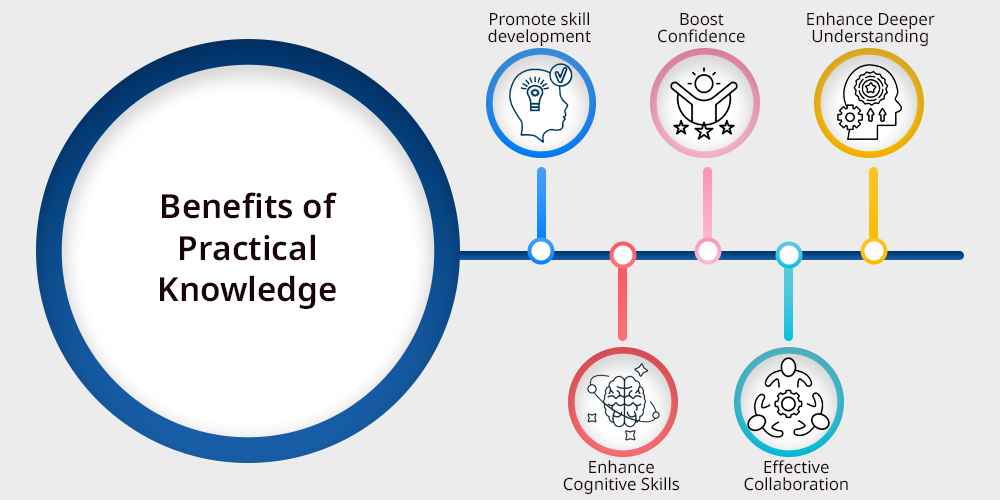
  • The Benefits of Practical Learning for Students

    The Benefits of Practical Learning for Students

    Education is often associated with textbooks, lectures, assignments, and examinations. These traditional methods are important, but students can understand many concepts more effectively when they have an opportunity to apply what they learn in practical situations.

    Practical learning allows students to move beyond theory and experience how knowledge works in the real world. It can include experiments, projects, field trips, workshops, presentations, internships, and other activities that require students to actively participate in the learning process.

    Connecting Theory With Real Life

    One of the main benefits of practical learning is that it helps students connect classroom knowledge with real-world situations.

    For example, a science student may understand a concept through a textbook, but conducting an experiment can provide a clearer understanding of how that concept works. Similarly, business students can learn about marketing strategies and then apply those ideas to a practical project.

    These experiences can make lessons easier to understand and remember.

    Developing Problem-Solving Skills

    Real-world problems rarely have simple answers. Students often need to examine a situation, identify the main issue, consider possible solutions, and decide which approach is most appropriate.

    Practical activities give students opportunities to develop these skills.

    A project may not always go exactly as planned, and that can be valuable. Students can learn to identify mistakes, adjust their approach, and try again. This process can teach them that solving a problem often requires patience and experimentation.

    Encouraging Active Participation

    Traditional lectures can sometimes make students passive listeners. Practical learning encourages them to become active participants.

    Instead of only listening to an explanation, students may need to conduct research, build something, perform an experiment, create a presentation, or work with classmates.

    Active participation can make learning more engaging because students have a direct role in the process.

    Building Communication Skills

    Many practical learning activities involve teamwork. Students may need to discuss ideas, divide responsibilities, explain their findings, and present their work to others.

    These activities can help develop communication skills that are useful in both education and professional life.

    Learning how to explain an idea clearly is particularly important. A student may understand a topic very well but still need practice communicating that knowledge to other people.

    Preparing Students for Professional Life

    Education also prepares students for responsibilities beyond school and university. Practical experience can introduce them to situations they may encounter in their future careers.

    Internships, workshops, laboratory activities, and project-based assignments can help students understand how theoretical knowledge is applied in professional environments.

    They can also provide opportunities to develop habits such as meeting deadlines, working with others, following instructions, and taking responsibility for assigned tasks.

    Learning From Mistakes

    Mistakes are a natural part of practical learning. A student may conduct an experiment incorrectly, make an error in a project, or discover that an initial idea does not work.

    Instead of simply receiving a grade, students can examine what went wrong and consider how they could improve the result.

    This process can develop resilience and encourage students to approach challenges with a more constructive attitude.

    Making Learning More Memorable

    People often remember experiences more easily when they actively participate in them. Practical activities can create memorable learning experiences because students are doing something rather than only reading or listening.

    For example, visiting a museum, conducting a science experiment, creating a computer project, or participating in a community activity can give students a practical connection to a subject.

    These experiences may help students remember important concepts long after a lesson has ended.

    Technology and Practical Education

    Modern technology has created even more opportunities for practical learning. Simulations, educational software, virtual laboratories, design tools, and online collaboration platforms can allow students to practice skills in different environments.

    Technology can be particularly useful when certain activities are expensive, difficult, or unsafe to perform in a traditional classroom.

    However, digital tools work best when they support clear educational goals rather than simply adding technology to a lesson.

    The Role of Teachers

    Teachers remain important in practical learning. They can design meaningful activities, provide instructions, monitor progress, and give feedback.

    A teacher can also help students understand the connection between an activity and the academic concepts behind it. Without proper guidance, a practical task may become simply an activity rather than a meaningful learning experience.

    Good planning can ensure that students understand both what they are doing and why they are doing it.

    Final Thoughts

    Practical learning can make education more engaging by connecting theoretical knowledge with real-world experience. It can help students develop problem-solving, communication, teamwork, and decision-making skills while giving them opportunities to learn from mistakes.

    The most effective education does not necessarily require choosing between traditional teaching and practical activities. Combining classroom instruction with hands-on experiences can give students a broader and more useful learning experience.

    When students have opportunities to apply their knowledge, education can become more than memorizing information. It can become a process of discovering how that knowledge works in the world around them.

  • Why Time Management Is Important for Students

    Why Time Management Is Important for Students

    Students often have many responsibilities to manage at the same time. Classes, homework, exams, projects, family activities, and personal interests can quickly make a schedule feel overwhelming. Learning how to manage time effectively can help students organize these responsibilities and create a healthier approach to their education.

    Time management does not mean studying every hour of the day. Instead, it means understanding priorities, planning ahead, and using available time wisely.

    Understanding Priorities

    One of the first steps in effective time management is knowing which tasks are most important.

    Students may have several assignments due during the same week. Rather than trying to complete everything at the last minute, they can identify deadlines and divide larger tasks into smaller steps.

    For example, a research project can be separated into topic selection, research, note-taking, writing, editing, and final review. Completing these steps gradually can make a large assignment feel much more manageable.

    Creating a Realistic Schedule

    A simple schedule can help students understand how their time is being used. A daily or weekly plan can include classes, study sessions, assignments, breaks, exercise, family responsibilities, and personal activities.

    The schedule should be realistic. Planning ten hours of studying when only a few hours are actually available can create unnecessary pressure.

    A flexible plan is often more useful because unexpected responsibilities can appear during the week.

    Avoiding Procrastination

    Procrastination is one of the most common challenges students face. It is easy to postpone an assignment when the deadline seems far away.

    However, delaying work can create stress when several deadlines arrive at the same time.

    One useful approach is to start with a small amount of work. Reading a few pages, writing a short paragraph, or organizing research notes can be enough to begin a task.

    Once students start, continuing the work often becomes easier.

    Taking Regular Breaks

    Effective studying does not require sitting at a desk for several hours without stopping. Regular breaks can give students an opportunity to rest and return to their work with renewed attention.

    A short walk, a glass of water, or a few minutes away from a screen can provide a useful mental break.

    The goal is to maintain a balance between focused study and appropriate rest.

    Managing Digital Distractions

    Phones, social media, games, and entertainment websites can make it difficult to concentrate. Notifications can interrupt study sessions even when students intend to focus.

    Students can reduce distractions by putting their phones away, turning off unnecessary notifications, or using a quiet study environment.

    This does not mean avoiding technology completely. Digital tools can be extremely useful for research, communication, and education when they are used with a clear purpose.

    Setting Specific Goals

    Instead of making a general goal such as “study today,” students can create specific targets.

    For example, they might decide to read one chapter, complete five mathematics problems, or write the introduction to an assignment.

    Specific goals make it easier to measure progress. They can also provide a sense of accomplishment as individual tasks are completed.

    Making Time for Sleep

    Sleep is an important part of a student’s routine. Staying awake late every night to complete assignments may reduce the amount of rest needed for the following day.

    A consistent sleep schedule can help students maintain their daily routine and arrive at classes feeling more prepared.

    Time management should therefore include enough time for sleep rather than treating rest as something that can always be sacrificed.

    Learning to Say No

    Students may sometimes accept too many activities because they want to participate in everything. Extracurricular activities can be valuable, but taking on too many responsibilities can make it difficult to manage academic work.

    Learning to consider available time before accepting a new commitment can help students maintain a balanced schedule.

    It is reasonable to prioritize activities that are meaningful and manageable.

    Reviewing the Schedule

    Time management is not a skill that becomes perfect immediately. Students can review their schedules regularly and identify what is working and what is not.

    Perhaps a particular study period is too short, or perhaps certain activities consistently take longer than expected. Making small adjustments can gradually create a more effective routine.

    The important thing is to learn from experience rather than expecting every plan to work perfectly.

    Final Thoughts

    Good time management can help students organize their responsibilities, reduce last-minute pressure, and create more space for both education and personal life.

    The most effective approach is usually simple: understand priorities, create realistic plans, avoid unnecessary distractions, take regular breaks, and make time for proper rest.

    Students do not need a complicated system to manage their schedules. Even a basic routine, followed consistently, can make a meaningful difference in the way they approach their education and everyday responsibilities.

  • The Benefits of Group Learning for Students

    The Benefits of Group Learning for Students

    Education is often seen as an individual activity, but students can also learn a great deal by working with others. Group learning gives students an opportunity to exchange ideas, discuss problems, and work together toward a common goal.

    Whether it takes place in a classroom, laboratory, workshop, or online environment, collaborative learning can introduce students to different ways of thinking. It also helps them develop communication and teamwork skills that can be useful beyond their education.

    Learning From Different Perspectives

    Every student approaches a subject differently. One student may understand a concept through examples, while another may find it easier to understand through diagrams or practical explanations.

    When students work together, they can share these different approaches. A student who understands a topic well may explain it to a classmate, while another student may introduce a different way of solving the same problem.

    This exchange can help make difficult subjects easier to understand.

    Improving Communication Skills

    Communication is an important part of group learning. Students need to explain their ideas clearly and listen carefully when others are speaking.

    Group projects can encourage students to practice asking questions, giving explanations, presenting information, and responding respectfully to different opinions.

    These skills are useful not only in education but also in future workplaces and everyday situations.

    Developing Teamwork

    Many real-world tasks require people to work together. Group learning gives students an early opportunity to understand how teamwork works.

    A group project may require students to divide responsibilities, establish deadlines, and make decisions together. Each person may have a different role, but the final result depends on everyone’s contribution.

    Through these experiences, students can learn that successful teamwork requires communication, reliability, and respect.

    Building Confidence

    Some students feel uncomfortable speaking in front of a large classroom. Working in a smaller group can provide a less intimidating environment for participation.

    As students become more comfortable sharing ideas with classmates, their confidence may gradually increase.

    Small group discussions can also give quieter students an opportunity to contribute ideas that they might not express during a larger classroom discussion.

    Learning to Handle Different Opinions

    People do not always agree, and group activities can teach students how to deal with differences respectfully.

    A student may have a different solution or interpretation from another member of the group. Instead of treating disagreement as a problem, students can learn to explain their reasoning and consider the evidence behind another person’s position.

    This can encourage open-mindedness and thoughtful discussion.

    Developing Problem-Solving Skills

    Group activities often involve problems that require several ideas before a solution can be found.

    Students can brainstorm possible approaches, compare their advantages and disadvantages, and decide which option to try.

    If the first solution does not work, the group can discuss what went wrong and develop another approach. This process gives students practical experience with problem-solving.

    Encouraging Responsibility

    Group projects work best when every student contributes. This creates an opportunity for students to develop a sense of responsibility.

    When a student is assigned a specific task, other members may depend on that work to complete the larger project. Meeting deadlines and completing responsibilities therefore become important parts of the learning experience.

    Teachers can support this process by assigning clear roles and helping students understand how individual contributions affect the group.

    Combining Group and Individual Learning

    Group learning does not need to replace individual study. Both approaches can serve different purposes.

    Individual study allows students to work at their own pace and focus on areas where they need additional practice. Group learning, on the other hand, provides opportunities for discussion, collaboration, and shared problem-solving.

    Combining both approaches can give students a more balanced educational experience.

    Technology and Collaborative Learning

    Technology has expanded the possibilities for group learning. Students can collaborate through online classrooms, shared documents, video meetings, discussion platforms, and educational applications.

    These tools can be especially useful when students cannot meet in the same physical location.

    However, technology should support meaningful collaboration rather than simply providing another communication channel. Students still need clear goals, responsibilities, and opportunities to contribute.

    The Teacher’s Role

    Teachers play an important role in making group learning effective. They can create appropriate activities, explain expectations, assign responsibilities, and monitor student participation.

    Teachers can also help resolve problems when group members disagree or when some students are contributing less than others.

    Good guidance allows students to focus on learning while gradually developing the skills needed to work independently with others.

    Final Thoughts

    Group learning can provide students with more than academic knowledge. It can help them communicate clearly, listen to different perspectives, solve problems, share responsibilities, and work toward common goals.

    When combined with individual study and effective teacher guidance, collaborative learning can create a richer educational experience.

    The ability to learn with others is a valuable skill that students can carry with them from the classroom into higher education, professional environments, and everyday life.

  • How Libraries Support Modern Education

    How Libraries Support Modern Education

    Libraries have been an important part of education for centuries. Although the way people access information has changed, libraries continue to provide valuable resources for students, teachers, researchers, and communities.

    Modern libraries are no longer limited to shelves filled with printed books. Many now provide digital resources, online databases, research materials, study spaces, computers, and educational programs. This combination of traditional and modern resources allows libraries to remain useful in an increasingly digital world.

    Access to Reliable Information

    Students need reliable information when completing assignments and conducting research. Libraries can provide access to books, academic journals, reference materials, and other carefully selected resources.

    Learning how to find trustworthy information is an important part of education. Instead of relying only on random search results, students can learn how to identify appropriate sources and compare information from different publications.

    This can improve the quality of research and encourage students to develop better information habits.

    Supporting Independent Learning

    A library gives students an opportunity to explore subjects beyond their regular classroom lessons.

    A student interested in astronomy, history, technology, literature, or another subject can find additional resources and study at their own pace. This encourages curiosity and allows learners to investigate topics that may not receive much attention during regular classes.

    Independent learning can also help students become more confident in finding answers for themselves.

    Digital Resources in Modern Libraries

    Technology has changed the way libraries operate. Many educational institutions now provide access to electronic books, online journals, research databases, digital archives, and other resources.

    Students may be able to access these materials using computers or mobile devices, depending on the services provided by their institution.

    Digital resources are particularly useful for research because they can allow students to find information more quickly while also providing access to materials that may not be available in physical form.

    A Quiet Place to Study

    The learning environment can have a significant effect on concentration. Not every student has access to a quiet place at home, especially in busy households.

    Libraries can provide dedicated spaces where students can read, write, research, or prepare for examinations with fewer distractions.

    A quiet study environment can make it easier for students to focus on complex tasks and organize their thoughts.

    Developing Research Skills

    Research is an important part of higher education. Students may eventually need to write essays, prepare presentations, complete academic projects, or conduct detailed investigations.

    Libraries can help students learn how to approach these tasks. Librarians can often guide students toward appropriate resources and explain how to search for information effectively.

    These research skills can become increasingly valuable as students progress through their education.

    Encouraging a Reading Culture

    Libraries can also encourage students to develop a regular reading habit.

    Not every book needs to be connected directly to an examination or assignment. Fiction, biographies, science books, history publications, magazines, and other reading materials can introduce students to new ideas and perspectives.

    Regular reading can improve vocabulary and comprehension while also encouraging curiosity.

    The Role of Librarians

    Librarians are an important part of the modern educational environment. Their role is not simply to organize books.

    They can help students locate resources, understand research databases, evaluate sources, and develop better information-searching skills.

    For students who are unfamiliar with academic research, guidance from a librarian can make the process less confusing and more efficient.

    Libraries as Community Spaces

    Libraries can also bring people together. Educational institutions may use library spaces for workshops, reading groups, discussions, presentations, and other learning activities.

    These activities can create opportunities for students to communicate and learn from one another.

    A library can therefore serve not only as a place for individual study but also as a shared educational environment.

    Adapting to the Future

    Education will continue to change as technology develops. Libraries are adapting by combining physical resources with digital services and creating new ways for people to access information.

    The future library may look different from the traditional library, but its basic purpose remains similar: helping people discover, understand, and use information.

    As educational resources continue to expand, the ability to navigate information carefully will remain important.

    Final Thoughts

    Libraries continue to play an important role in modern education because they provide access to information, support independent learning, encourage reading, and offer spaces for focused study.

    Technology has expanded what libraries can provide rather than making them unnecessary. Physical books, digital resources, research databases, librarians, and study spaces can work together to support students throughout their education.

    For students, a library can be more than a place to borrow books. It can be a place to ask questions, discover new subjects, develop research skills, and build habits that support lifelong learning.