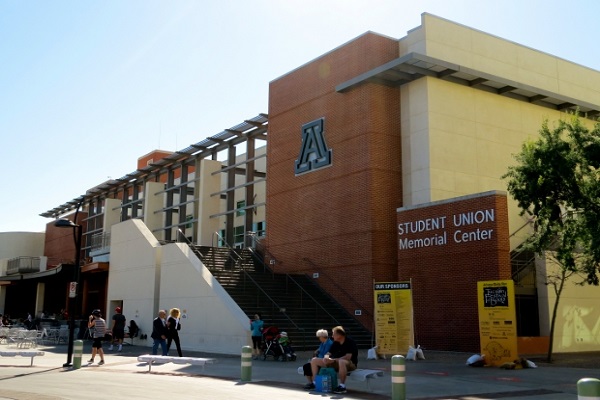
For students around the world, choosing to study in USA can open the door to a wide range of academic programs, research opportunities, professional networks, and cultural experiences. The United States has thousands of colleges and universities offering undergraduate, graduate, professional, English-language, and short-term programs.
However, studying in the United States requires careful planning. International students need to choose the right university, understand admission requirements, prepare their finances, apply for the appropriate student visa, arrange accommodation, and prepare for life in a new country.
This complete guide explains the major steps international students should understand before applying to study in the USA.
Why Study in the USA?
The United States offers a highly diverse higher-education system. Students can choose between public universities, private universities, liberal arts colleges, community colleges, graduate schools, and specialized institutions.
EducationUSA, the U.S. Department of State’s official network for international students, highlights the variety of U.S. academic programs and encourages students to find an institution that matches their academic, financial, and personal goals.
Some common reasons students choose the USA include:
- Wide selection of academic programs
- Flexible degree structures
- Research opportunities
- Modern campus facilities
- Internship and career opportunities
- Diverse international communities
- Student organizations and extracurricular activities
- Opportunities to develop professional networks
The best university is not necessarily the one with the highest ranking. Students should consider academic programs, total cost, location, campus environment, career opportunities, and personal preferences when making a decision.
Who Can Study in the USA?
International students can pursue different types of education in the United States, including:
- Undergraduate degrees
- Graduate degrees
- Master’s programs
- Doctoral programs
- Community college programs
- English-language programs
- Short-term study programs
- Professional and specialized programs
EducationUSA recommends beginning university research well in advance. For undergraduate students, its guidance suggests starting the research process approximately 12–18 months before the intended academic year.
How to Study in the USA as an International Student
The process can be divided into several major stages:
- Research universities and programs.
- Check admission requirements.
- Prepare academic documents.
- Meet English-language requirements where applicable.
- Search for scholarships and financial aid.
- Submit university applications.
- Receive admission.
- Complete the required student documentation.
- Apply for a U.S. student visa.
- Arrange housing and prepare for departure.
EducationUSA organizes the U.S. study process into five broad steps: research your options, finance your studies, complete your application, apply for your student visa, and prepare for departure.
Step 1: Choose the Right University and Program
The first major decision is choosing a program that matches your goals.
Before applying, consider:
- Your intended major
- Degree level
- University location
- Tuition and fees
- Living costs
- Scholarships
- Admission requirements
- Internship opportunities
- Research facilities
- Campus environment
- Career opportunities
Public vs. Private Universities
International students can apply to both public and private universities.
Public universities may offer a large range of programs and extensive campus facilities, while private institutions can have different class sizes, academic structures, and financial-aid opportunities.
Do not choose a university based on tuition alone. Compare the complete estimated cost of attendance.
Community Colleges
Community colleges can provide another pathway into U.S. higher education.
Students may complete an associate degree and, depending on the program and agreements available, transfer credits toward a bachelor’s degree.
This option can be useful for students looking for different academic or financial pathways.
Step 2: Understand U.S. University Admission Requirements
Admission requirements vary by institution and program.
International undergraduate applicants may be asked to provide:
- Academic transcripts
- Secondary-school qualifications
- Passport information
- English-language test results where required
- Personal statement or essay
- Letters of recommendation where required
- Application forms
- Application fees where applicable
- Additional program-specific documents
Graduate applicants may need:
- Bachelor’s degree
- University transcripts
- Statement of purpose
- Resume or CV
- Recommendation letters
- English-language scores where required
- Program-specific test results
- Writing samples or portfolios for certain programs
Always check the official university website because requirements and deadlines can differ.
Step 3: Meet English Language Requirements
Many U.S. universities require international applicants to demonstrate English proficiency if English is not their primary language or if their previous education does not meet the institution’s language criteria.
Commonly accepted tests may include:
- IELTS
- TOEFL
- PTE
- Duolingo English Test
However, not every university accepts the same exams or uses the same minimum scores.
Some institutions may also provide exemptions depending on the student’s educational background.
Before taking a test, check the university’s current official English-language requirements.
Step 4: Prepare Your Application
A strong application should present your academic background and explain why the selected program fits your goals.
Academic Documents
Prepare clear copies of your transcripts, certificates, diplomas, and other required academic documents.
Some universities may require certified translations if documents are not in English.
Personal Statement
A personal statement can explain:
- Your academic interests
- Career goals
- Relevant experiences
- Why you selected the program
- Why you want to study in the USA
Recommendation Letters
If required, choose teachers, professors, employers, or other qualified individuals who know your academic or professional abilities.
Resume or CV
Graduate and professional programs may request a resume or CV describing education, work experience, research, internships, projects, awards, and skills.
Step 5: Understand Application Deadlines
Application deadlines can differ significantly between universities and programs.
Some schools offer:
- Early application deadlines
- Regular deadlines
- Rolling admission
- Program-specific deadlines
International students should also allow additional time for:
- English tests
- Document preparation
- Scholarship applications
- Financial planning
- Visa processing
- Housing arrangements
Starting early reduces the risk of missing an important deadline.
How Much Does It Cost to Study in the USA?
The total cost of studying in the USA varies significantly by university, degree, program, and location.
Your budget should include:
| Expense | What to Consider |
|---|---|
| Tuition | Cost per semester or academic year |
| University fees | Student and program fees |
| Housing | Campus or private accommodation |
| Food | Meal plan or groceries |
| Health insurance | University or approved insurance plan |
| Books | Textbooks and course materials |
| Transportation | Public transit, campus transport, or car |
| Personal expenses | Phone, clothing, entertainment |
| Travel | Flights and local travel |
EducationUSA recommends evaluating tuition, fees, and living expenses when preparing a U.S. study budget. It also emphasizes that costs vary considerably between institutions and locations.
Does Location Affect the Cost?
Yes.
The cost of living can vary substantially between U.S. cities and states. Housing and food costs are particularly important when comparing universities.
A university with lower tuition may not necessarily be cheaper overall if accommodation and living expenses are significantly higher.
International students should therefore compare total cost of attendance, not just tuition.
Scholarships to Study in the USA
Scholarships can reduce the financial burden of studying abroad.
International students should investigate:
- University scholarships
- Merit-based scholarships
- Need-based financial assistance where available
- Athletic scholarships
- Departmental awards
- External scholarships
- Government-funded opportunities
- Private organizations
EducationUSA notes that international students receive financial assistance from U.S. institutions and other sources, although competition can be high and awards may not cover all educational and living expenses.
How to Find Scholarships
Start your scholarship research at the same time as your university research.
Check:
- University financial-aid pages.
- Your intended department.
- International student offices.
- Government scholarship programs.
- EducationUSA resources.
- External scholarship organizations.
Pay close attention to scholarship deadlines because they may be earlier than the general admission deadline.
Student Visa for the USA
International students who want to study in the United States need to understand the appropriate visa category for their program.
The three major student/exchange categories discussed by EducationUSA include:
- F visa: Academic study at a college, university, or English-language institute
- J visa: Exchange programs
- M visa: Vocational or other nonacademic study
For F and M students, the school must be certified by the Student Exchange and Visitor Program (SEVP). After admission and the required SEVIS process, the school provides the appropriate Form I-20 for the visa process.
F-1 Student Visa
The F-1 visa is the primary student visa category for many international students attending U.S. academic institutions.
The U.S. Department of State states that applicants need to complete the required visa application process, including Form DS-160, and provide required documentation. F-1 academic students use Form I-20 as their Certificate of Eligibility.
Students should always follow the latest instructions from the U.S. embassy or consulate responsible for their application.
What Documents Are Needed for a U.S. Student Visa?
Exact requirements can vary, but students should generally prepare documents such as:
- Valid passport
- DS-160 confirmation
- Form I-20 for F-1 students
- Visa fee payment information where applicable
- Required photograph
- Admission information
- Evidence related to financial support
- Documents requested by the U.S. embassy or consulate
The U.S. Department of State advises applicants to consult the embassy or consulate website for country-specific instructions because visa procedures can vary.
How to Prepare for a U.S. Student Visa Interview
Students should understand their:
- University and program
- Academic goals
- Funding arrangements
- Career plans
- Study plans
- Reason for choosing the institution
Answer questions honestly and clearly.
Students should never provide false documents or misleading information during the application process.
Choosing Where to Live in the USA
Accommodation is one of the biggest decisions for international students.
Common options include:
On-Campus Housing
Advantages may include:
- Close to classes
- Campus community
- University facilities nearby
- Easier transition for new students
- Potential meal-plan options
Off-Campus Housing
Options may include:
- Private apartments
- Shared apartments
- Shared houses
- Student residences
- Homestays
Before signing a lease, check:
- Monthly rent
- Security deposit
- Utilities
- Internet
- Lease length
- Transportation
- Distance from campus
- Cancellation policies
Student Life in the USA
Student life is an important part of the U.S. university experience.
International students can participate in:
- Student clubs
- Sports
- Cultural organizations
- Academic societies
- Volunteer programs
- Student government
- Career events
- Research activities
- Campus festivals
Getting involved can help international students make friends, improve communication skills, and develop professional connections.
Many U.S. universities have dedicated international student offices that provide orientation, advising, events, and cultural programs.
Healthcare and Health Insurance
Healthcare should be included in your study-abroad budget.
Many universities require international students to have health insurance that meets specific requirements.
Before traveling to the USA, check your university’s:
- Insurance requirements
- Coverage dates
- Premiums
- Waiver rules
- Medical services
- Prescription coverage
- Emergency procedures
Do not assume that your existing insurance from your home country will automatically satisfy university requirements.
Transportation for International Students
Transportation depends on the university’s location.
Students may use:
- Public buses
- Trains
- University shuttles
- Bicycles
- Walking
- Ride-sharing
- Personal cars
Students living in large cities may have more public transportation choices, while students in smaller communities may find a car more useful.
Before selecting housing, research how you will travel to campus every day.
Working While Studying in the USA
International students should understand their immigration status and employment restrictions before accepting any job.
Do not assume that international students have the same employment rights as U.S. citizens or permanent residents.
EducationUSA recommends reviewing information from the U.S. Department of State and Department of Homeland Security regarding employment and maintaining student status.
Students should consult their university’s international student office before beginning employment.
Study in the USA: Undergraduate vs. Graduate Programs
Undergraduate Study
A bachelor’s degree in the United States commonly takes about four years of full-time study, although the exact duration depends on the institution, program, credits, and academic progress. EducationUSA explains that U.S. undergraduate education generally provides flexibility to study a broad range of subjects alongside a major field.
Undergraduate students should focus on:
- Academic preparation
- English requirements
- University selection
- Scholarships
- Application deadlines
- Financial planning
Graduate Study
Graduate programs include master’s degrees, doctoral programs, and professional degrees.
Applicants may need:
- Bachelor’s degree
- Academic transcripts
- CV or resume
- Statement of purpose
- Recommendation letters
- Research experience
- English test results
- Program-specific requirements
Research-focused programs may also provide opportunities for assistantships or other forms of financial support.
Best Fields to Study in the USA
International students can choose from thousands of programs.
Popular fields include:
- Computer Science
- Artificial Intelligence
- Engineering
- Business
- Finance
- Data Science
- Information Technology
- Healthcare
- Biotechnology
- Environmental Science
- Economics
- Psychology
- Communications
The best subject depends on your academic background, career plans, interests, budget, and preferred university.
How to Choose the Best University in the USA
Instead of choosing a university based only on rankings, create a comparison list.
Consider:
| Factor | Questions to Ask |
|---|---|
| Program | Does the university offer your desired major? |
| Cost | Can you afford the total annual cost? |
| Location | Is the city suitable for your lifestyle? |
| Housing | Are affordable housing options available? |
| Scholarships | Can international students receive funding? |
| Career | Are internships and career services available? |
| Campus | Does the campus environment suit you? |
| Support | Does the university provide international student services? |
EducationUSA specifically recommends finding the institution that fits your academic, financial, and personal priorities rather than trying to fit yourself into a particular university.
Common Mistakes International Students Should Avoid
Applying Too Late
Starting the process late can create problems with applications, scholarships, visas, and housing.
Looking Only at Tuition
Always calculate the full cost of attendance.
Ignoring Scholarship Deadlines
Some financial-aid deadlines may be earlier than admission deadlines.
Choosing a University Only by Ranking
A highly ranked university may not be the best choice for your specific program, budget, or career goals.
Not Researching Housing
Accommodation can have a major impact on your overall expenses and daily experience.
Waiting Until the Last Minute for the Visa
After receiving admission, begin the visa process according to the latest official instructions.
Ignoring University-Specific Requirements
Every university can have different application, English-language, document, and financial requirements.
Study in USA Application Timeline
A practical timeline can look like this:
12–18 Months Before Enrollment
- Research universities
- Choose potential programs
- Compare tuition and living costs
- Research scholarships
- Review admission requirements
EducationUSA recommends beginning undergraduate research approximately 12–18 months before the intended academic year.
9–12 Months Before Enrollment
- Take required English or standardized tests
- Prepare transcripts
- Request recommendation letters
- Write personal statements
- Prepare financial documents
6–9 Months Before Enrollment
- Submit applications
- Apply for scholarships
- Monitor application portals
- Respond to university requests
After Admission
- Accept your university offer
- Complete required enrollment steps
- Receive the necessary student documentation
- Prepare for the visa application
Before Departure
- Arrange accommodation
- Book travel
- Prepare important documents
- Purchase required insurance
- Attend pre-departure orientation
- Learn about your destination city
EducationUSA’s five-step framework similarly places departure preparation after research, financing, applications, and the visa process.
Pre-Departure Checklist for International Students
Before flying to the USA, make sure you have reviewed:
- Passport
- Student visa
- Form I-20 or relevant immigration document
- University admission documents
- Housing confirmation
- Health insurance information
- Financial documents
- Flight details
- Emergency contacts
- University contact information
- Academic records
- Prescription medications and relevant documentation
- Important digital and physical copies of documents
Keep important documents accessible during your journey.
How to Adjust to Life in the USA
Moving to another country can involve cultural and academic adjustment.
International students may initially experience differences in:
- Classroom participation
- Communication style
- Academic expectations
- Social life
- Food
- Transportation
- Weather
- Independence
- Time management
Give yourself time to adjust.
Joining student organizations, attending orientation, communicating with classmates, and using international student services can make the transition easier.
Is Studying in the USA Worth It?
For many international students, studying in the USA can provide valuable academic, personal, and professional opportunities.
However, the decision should be based on your individual goals and financial situation.
Before applying, ask yourself:
- Does the program match my career goals?
- Can I afford the total cost?
- Are scholarships available?
- Does the location suit me?
- What are the admission requirements?
- What student support is available?
- What are the career opportunities after graduation?
A well-researched decision is more valuable than simply choosing a famous university.
Frequently Asked Questions About Studying in the USA
How can I study in the USA as an international student?
Start by researching universities and programs, checking admission requirements, preparing your application, arranging finances, receiving admission, and completing the appropriate student visa process.
How much money do I need to study in the USA?
There is no single amount for every student. Total costs depend on tuition, university fees, housing, food, insurance, transportation, books, and personal expenses. EducationUSA recommends creating a budget based on the specific institution and location.
What is the main student visa for studying in the USA?
The F-1 visa is commonly used for academic study at U.S. colleges, universities, and English-language institutes. J and M visas apply to other types of exchange or vocational study.
Do I need IELTS or TOEFL to study in the USA?
Many universities require proof of English proficiency, but requirements vary. Some institutions accept multiple tests, while others may provide exemptions depending on the student’s educational background.
Can international students get scholarships in the USA?
Yes. International students can find university scholarships and other financial-aid opportunities, although availability and eligibility vary. EducationUSA recommends researching financial aid early because competition can be high.
How early should I apply to U.S. universities?
It is best to begin planning well in advance. EducationUSA recommends that undergraduate students begin researching approximately 12–18 months before the intended academic year.
Can I work while studying in the USA?
Some international students may have permitted employment options, but eligibility depends on immigration status and applicable rules. Students should consult their university’s international student office before working.
Is the USA good for international students?
The USA offers a wide range of academic programs and institutions, but the right choice depends on your academic goals, budget, preferred location, and career plans.
Final Thoughts
Choosing to study in USA is a major decision that requires careful preparation. International students need to look beyond university rankings and consider the complete picture, including academic programs, tuition, living costs, scholarships, location, accommodation, student support, and future career opportunities.
The process becomes easier when you break it into clear steps: research your options, plan your finances, prepare your application, secure the appropriate student documentation and visa, and prepare for your new life in the United States.
Start early, use official university and government resources, compare multiple options, and choose the institution that best matches your academic and personal goals.
With the right preparation, international students can enter the U.S. higher-education system with a clearer plan and a stronger foundation for their academic journey.
Leave a Reply